Movement & Balance
The best sensory stepping stones for children who need to move before they can settle
Balance stones for stepping, jumping and obstacle courses that give restless bodies proprioceptive and vestibular input.
Written by Sarah M.
Contains affiliate links
Updated August 2026
⭐ Sarah's Top Pick
"Jude can't go straight from one thing to the next without moving in between, and once I stopped fighting that, everything got easier. The stepping stones live by the back door now, and most days he does a few laps of them before he can settle to anything: homework, dinner, even just sitting down for five minutes. It's not defiance, it's his body asking for input before his brain will cooperate. Watching him string together a wobbly path across the kitchen and land it clean is about as close as I get to watching him regulate in real time."
— Sarah M., on the Lehoo Castle Sensory Stepping Stones
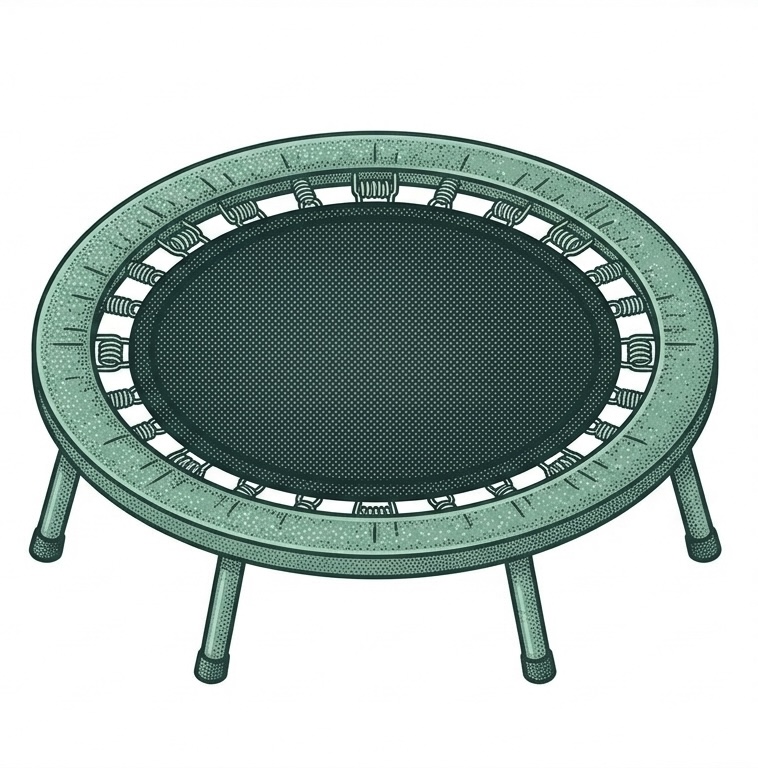
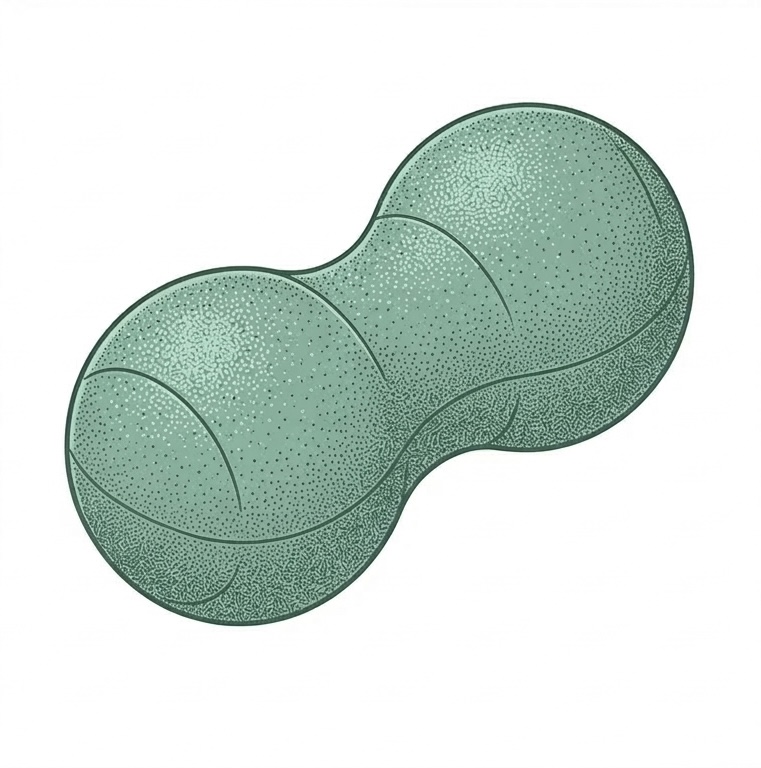
Stepping stones seem a strange thing to recommend on a sensory products site, they're essentially a toy version of a garden path, but the appeal for a sensory-seeking child is exactly the same as a trampoline or a peanut ball: the body gets proprioceptive and vestibular input from stepping, balancing and jumping across an uneven surface, and that input is genuinely regulating. I'm a parent, not a paediatric OT, but Jude has always needed to move before he can settle, and a set of stepping stones takes up far less floor space than a trampoline or a crash mat, which makes it an easy thing to have permanently out rather than packed away. They're also one of the simpler additions to a movement zone if you're building one, my guide to building a sensory room at home covers where stepping stones and other movement tools fit alongside quieter zones.
Four sets worth building a path with
From a budget stacking set to an eleven-piece obstacle course, with one light-up option for children who respond to visual feedback as much as movement.
#1 Top Pick
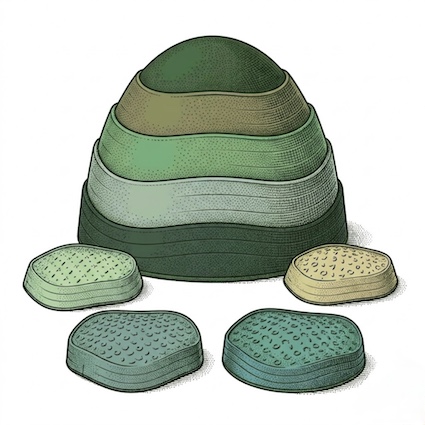
Lehoo Castle is one of the more established names in this category, and the design choices show it. Each stone has an anti-slip base ring for grip and a textured top for underfoot sensory feedback, and the 220lb (100kg) weight limit means the stones hold up under an adult as well as a child, which matters if you want to join in or turn it into a "floor is lava" game together. At 33 x 33 x 14cm, each stone is a proper size to stand on confidently rather than a token balance point. They wipe clean with a damp cloth and come with a storage bag, and Lehoo Castle also sell the same set in pink and a mixed colourway if blue isn't the one your child will actually use.
Pros
- 220lb capacity works for parent-child play too
- Textured top and anti-slip base ring
- Wipes clean, storage bag included
- Available in three colourways
Cons
- Pricier than the Tippi set for a similar idea
Check Price on Amazon →
#2 Best Value
The Tippi set matches the Lehoo Castle for rating at less than half the price, and it currently sits at #1 in Amazon's Playground Fitness Equipment category, which is a reasonable signal that a lot of families are genuinely happy with it. Each stone has a sensory textured surface and a non-slip rubber base, and the five stones nest inside each other for storage, which is a small detail but a useful one if floor space or cupboard space is tight. It comes with a colour spinner, so it doubles as a simple multiplayer game for siblings rather than only a solo balance path. It's a shorter, lighter-duty set than the others here: five stones make a decent hallway path rather than a sprawling course, and the individual stones are less substantial than the Lehoo Castle or Forroby options. For a first set, or for testing whether your child will actually use stepping stones before spending more, it's hard to beat.
Pros
- Lowest price by a wide margin
- #1 bestseller with over 100 reviews
- Stacks compactly for storage
- Spinner adds a shared game for siblings
Cons
- Lighter-duty build than the pricier options
Check Price on Amazon →
#3 Most Stones
This is the set for a family who wants a proper obstacle course rather than a short path. Eleven stones across four sizes, from extra-large down to small, mean children can walk, stand, jump or climb depending on which stone they're on, and the varied heights give a course that scales with a child's confidence over time rather than staying the same difficulty forever. The full rubber edges and embossed textured surface are a step up in build quality from the budget end of this list, and the stones grip well across carpet, hard flooring and grass. At 4.74kg for the set, it's noticeably heavier and bulkier than the others, which is the trade-off for eleven pieces rather than five or six: it stacks for storage, but it's still the biggest thing on this list to find room for. If you have more than one child using it, or want a course long and varied enough to hold interest over months rather than weeks, this is the one to go for.
Pros
- Most pieces and most height variety on this list
- Full rubber edging grips well on multiple surfaces
- Scales in difficulty as confidence grows
- Good for siblings building a course together
Cons
- Priciest option on this list
- Bulkiest to store despite stacking
Check Price on Amazon →
#4 Light-Up Option
This set is a genuinely different proposition from the other three: six round stepping stones with LED lights built into the underside, each with its own on/off switch and batteries already installed, plus two flat balance boards that aren't included with any of the other sets. For a child who's drawn to visual sensory feedback as much as movement, the glow adds a reason to keep going back to it, and it works just as well outdoors after dark as it does in a dim living room. The two balance boards are a genuinely useful addition, giving a static balancing challenge to mix in alongside the stepping and jumping the round stones are built for. It has the lowest rating of the four here, and it's worth being upfront about why: this is a battery-powered toy, and as with anything that uses button batteries, it's worth checking the compartment seal is secure before handing it to a young child, and keeping half an eye on it over time rather than treating it as fit-and-forget.
Pros
- LED lights add visual sensory feedback the others don't offer
- Includes two balance boards as well as six round stones
- Works well for evening or low-light play
- 220lb capacity, stackable for storage
Cons
- Lowest rating of the four options here
- Button batteries need checking on for very young or mouthing children
Check Price on Amazon →
What to look for
The questions worth thinking through before you buy.
⚖️
Weight limit
All four sets here are rated to 220lb (100kg), which covers most children comfortably and means an adult can join in too. That matters more than it sounds: a parent modelling the game, or turning it into "the floor is lava" together, is often what gets a hesitant child to have a go in the first place.
🧩
Piece count and course length
A five-piece set is plenty for a quick hallway path or a spinner-based game with siblings. An eleven-piece set with four different heights gives a much longer, more varied course that scales in difficulty as your child's confidence grows. There's no harm in starting smaller and adding a second set later.
🌳
Indoor vs outdoor
All four sets here are rated for both, with textured, anti-slip surfaces designed to grip on carpet, hard flooring, grass or a garden path. An indoor set gets used daily as a movement break; taking the same set outside gives far more room to build an ambitious course.
📦
Storage
All four sets stack or nest for storage, but the bigger the set, the more space it takes up even stacked. If floor space is at a premium, the Tippi's five nesting stones are the easiest to tuck away; the Forroby's eleven pieces need more of a dedicated spot.
🧠
What it's actually building
Stepping, balancing and jumping across an uneven path gives a sensory-seeking body proprioceptive and vestibular input, the same kind a trampoline or a peanut ball provides. It also genuinely builds gross motor coordination and core strength over time, not just in the moment.
⏱️
Working it into the day
A few minutes on the stones before a demanding task can work as a standalone movement break, or as one activity within a wider sensory diet. It's also a useful outlet for after-school restraint collapse, when a child needs to move before they can do anything else.
Frequently asked questions
The questions parents ask most about sensory stepping stones.
What age are sensory stepping stones suitable for?
Most sensory stepping stones are designed for children from around 18 months upwards, though the more elaborate multi-height sets are better suited to children aged 3 and over who can manage taller stones confidently. Always check the specific weight and age guidance for each set, and supervise younger children closely until they've found their balance.
Do stepping stones actually help with sensory processing or ADHD?
Yes. Walking, stepping and jumping across an uneven path gives the body proprioceptive input (pressure and feedback through the joints and muscles) alongside vestibular input from balance and movement, both of which are genuinely regulating for sensory-seeking children. For a child with ADHD, a few minutes of stepping-stone play before a demanding task can work in the same way as a trampoline or peanut ball session: it meets the body's need for movement first, which makes sitting still afterwards more achievable. My guide to
proprioception and the vestibular sense goes into more detail on why this kind of input matters.
Can adults use stepping stones too, or are they only for kids?
Most sets are rated to 220lb (100kg), so an adult can join in without worry, which matters more than it sounds. Modelling the activity, or turning it into a shared "floor is lava" game, is often what gets a reluctant or anxious child to have a go in the first place.
Are sensory stepping stones better indoors or outdoors?
Both. All four sets here are rated for indoor and outdoor use, with textured, anti-slip surfaces designed to grip on carpet, hard flooring, grass or a garden path. Indoors is more useful for a daily movement break; outdoors gives more space to build a longer, more ambitious course.
How many stepping stones do we actually need?
It depends on the game as much as the child. A shorter five-piece set is plenty for a quick balance path across a hallway or a spinner-based game with siblings. If you want a longer, more varied obstacle course with different heights to walk, jump and climb, an eleven-piece set gives far more scope. There's no harm in starting smaller and adding a second set later.
Are the light-up stepping stones safe for young children?
The LED stones use small button batteries sealed inside each stone with an on/off switch. As with any toy that uses button batteries, it's worth checking the battery compartment is properly secured before handing it to a very young child, and keeping an eye on the stones over time in case a seal wears. For toddlers who mouth toys, a non-electronic set is the simpler choice.