Sensory Sorted Review
Best Mini Trampolines for Sensory Children
Five minutes of bouncing is one of the most effective sensory diet activities there is. The models that work indoors, reviewed.
It's not about food. A sensory diet is one of the most practical tools occupational therapists use to help sensory children regulate. Here's what it actually means and how to start building one at home.
I'm a parent, not a professional. This article is based on my own experience and on publicly available information from the NHS, National Autistic Society, and occupational therapy sources. A proper sensory diet should ideally be developed with a qualified paediatric occupational therapist. This is a starting point, not a replacement for professional support.
When Jude's OT first mentioned a "sensory diet," I nodded as if I knew what she meant. I did not. I went home thinking she'd said something about crunchy foods. She had not.
A sensory diet has nothing to do with what your child eats. It's one of the most useful and underexplained tools in the SEN parent's repertoire, and I wish someone had explained it to me properly years earlier.
The term was coined by occupational therapists Wilbarger and Wilbarger in 1991, building on the sensory integration theory developed by OT Dr A. Jean Ayres in the 1970s. A sensory diet is a personalised plan of activities that provides a child with the right type and amount of sensory input throughout the day to help them stay calm, focused, and regulated.
A sensory diet works alongside a child's own self-generated input rather than replacing it. My guide to stimming explains why those spontaneous movements are worth protecting while you build the plan.
The idea behind it is this: all of our nervous systems need a certain level of sensory input to function at their best. If you want to go deeper on one of the least-discussed sensory systems — the internal signals that help your child know they are hungry, tired, or overwhelmed — my guide to interoception explains it clearly. When we're under-stimulated, we get restless and distracted. When we're over-stimulated, we get overwhelmed and dysregulated — something my guide to sensory overload covers in depth. For children with sensory processing differences, finding and maintaining that "just right" state is genuinely harder, and a sensory diet is the structured way to help them get there and stay there.
Think of it like meals. Just as you eat regularly throughout the day to maintain your energy levels, a sensory diet provides regular, scheduled "doses" of sensory input to keep the nervous system in balance. Miss a meal and you feel it. Miss the sensory input and a child feels that too, usually in their behaviour.
According to NHS Birmingham Community Healthcare, the goal is to provide "a daily plan of strategies and activities that provide the regular feedback a child needs to their sensory system to allow them to stay calm, alert and engaged in their daily routine."
"Once I understood the sensory diet concept, so much of Jude's behaviour made sense. He wasn't kicking off before school to make my life difficult. His nervous system was dysregulated, and he was trying to regulate it the only way he knew. Giving him five minutes on the trampoline before we left the house wasn't indulging him. It was charging him up for the day."
One of the most useful frameworks from OT practice divides sensory activities into three categories. NHS occupational therapists at the National Autistic Society describe sensory circuits (a common school-based approach) as moving through all three in sequence:
Based on NHS Birmingham Community Healthcare OT guidance and National Autistic Society occupational therapy resources.
The important thing to understand is that different children need different combinations. A child who arrives home from school completely overwhelmed and dysregulated (what we call "over-aroused") needs calming activities. A child who's lethargic and can't engage with anything needs alerting activities. And the sequence matters. OT guidance typically suggests doing alerting and organising activities first, followed by calming ones, to bring the child to a regulated state.
This concept is sometimes called being in the "just right" state, or the "green zone" in the Zones of Regulation framework that many UK schools now use. When a child is regulated, they're:
When they're dysregulated — too over-stimulated or too under-stimulated. You see the opposite: meltdowns, refusal, shutdown, hyperactivity, aggression. This isn't a choice. It's a nervous system doing its best in a situation it can't manage.
A proper sensory diet should really be developed with an occupational therapist who has assessed your child. But while you're waiting for an OT referral, or if you just want to start now. Here's a practical approach.
Before you build anything, watch. For a week or two, keep a note of when your child is most dysregulated. What time of day? After what activity? In what environment? Is the issue over-arousal (overwhelm, meltdowns, hyperactivity) or under-arousal (shutdown, lethargy, difficulty engaging)?
Most parents of sensory children already know this intuitively. After school, before transitions, during mealtimes. There are usually predictable pressure points. A sensory diet targets those pressure points proactively.
Most children already tell us what they need through their behaviour, even if we don't always recognise it. A child who crashes into the sofa is seeking proprioceptive input. A child who spins on the spot is seeking vestibular input. A child who chews jumper sleeves is seeking oral sensory input. Notice what your child naturally seeks, and see how you can provide it appropriately.
The key word is regular. A sensory diet isn't a crisis response: it's a proactive schedule that keeps the nervous system topped up before it gets into crisis. NHS guidance from Just One Norfolk describes it as "little but often" movement breaks throughout the day, particularly before times when the child is expected to sit or concentrate. A visual timer on the kitchen counter is one of the simplest ways to make those breaks consistent: "five more minutes" rarely means five minutes without something to anchor it.
Here's what a simple morning routine sensory diet might look like for a sensory-seeking child:
This is a simplified example. Your child's needs will be completely different. The point is the principle: build sensory input into the routine before it's needed, rather than reacting after dysregulation has already happened.
This deserves its own section, because it's one of the most commonly searched SEN parenting questions. Your child holds everything together at school all day, managing a sensory environment that doesn't accommodate their needs, suppressing behaviours, trying to fit in. By the time they get home, their tank is completely empty. They fall apart.
This is sometimes called the "after-school restraint collapse" and it's not bad behaviour. It's the cost of coping. The sensory diet approach for this period is to reduce demands immediately after school, offer a calming sensory environment (low noise, low demand, access to their preferred regulating activities), and let them decompress fully before asking anything of them. Once you have a sensory diet in place, my Sensory Profile and Communication Passport helps you communicate what you've learned — across all seven sensory systems — to school or a new carer.
"For a long time I'd try to do homework the minute Ella got home because I thought getting it done was the priority. Every afternoon ended in tears (hers and mine). Our OT explained the restraint collapse concept and everything changed. Ella now has thirty minutes of completely unstructured sensory time after school. After that, she's a different child. Getting homework done takes half as long and costs nothing emotionally."
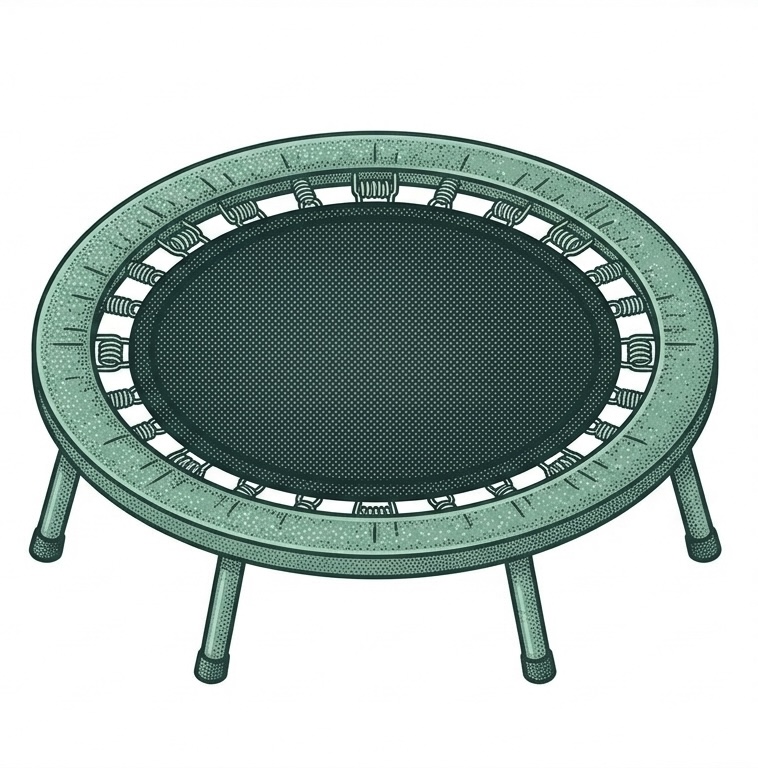
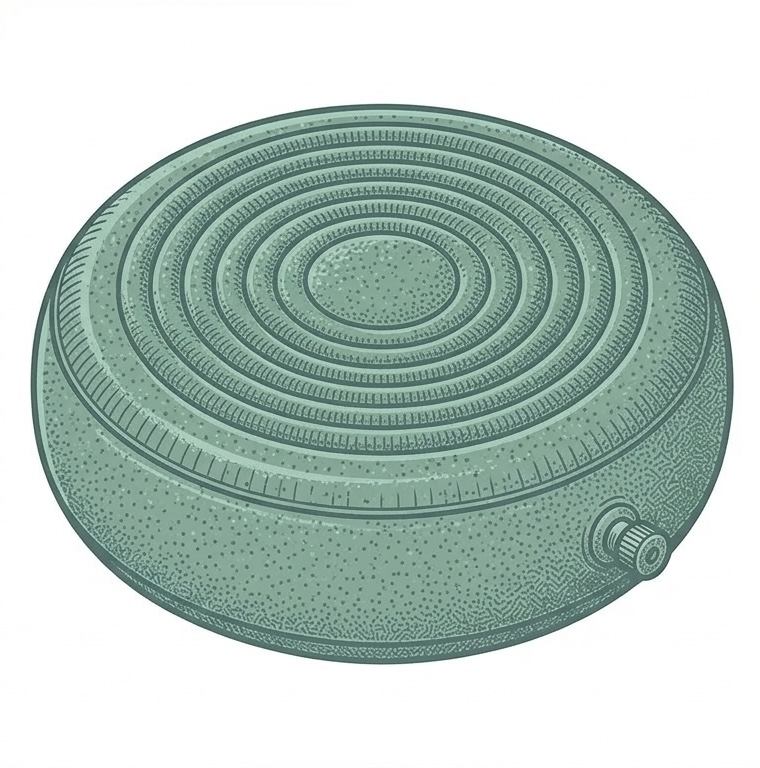
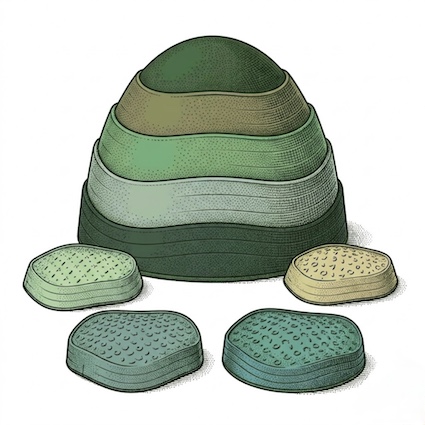
The activities in a sensory diet don't require specialist equipment: heavy work, movement breaks, and proprioceptive input can all be done with what you already have at home. But there are some tools that make it a lot easier to build consistent sensory input into the day, particularly for school use or when you need something structured and portable. If you're starting from scratch, our starter sensory kit page covers the eight items most worth buying first.
Where those tools live matters nearly as much as owning them. I've set out how I'd arrange a space around them in my guide to building a sensory room at home, including what to do when there's no spare room to give over to it.

What's in this guide is a starting framework. A proper sensory diet is a clinical tool that should be designed by an occupational therapist who has assessed your child's individual sensory profile. If you can access OT support: through your GP, your school's SENCO, or privately — please do.
OTs use standardised assessments to identify exactly which sensory systems are affected and how, then design a diet that targets those specific needs with precisely calibrated activities. What I can offer is a general understanding and some practical starting points. What an OT can offer is something properly tailored to your child.
How to access an OT: Ask your GP for a referral to a paediatric occupational therapist. Your child's school SENCO may also be able to refer or advise on local services. NHS waiting lists can be long, if you're struggling to access support, some areas have community OT services or sensory processing support groups that don't require a referral.

The things I get asked most about sensory diets, and what I've learned.
Sign up and I'll send you a free two-page PDF — the eight sensory tools I'd recommend as a starting point, with what each one does and rough price ranges.