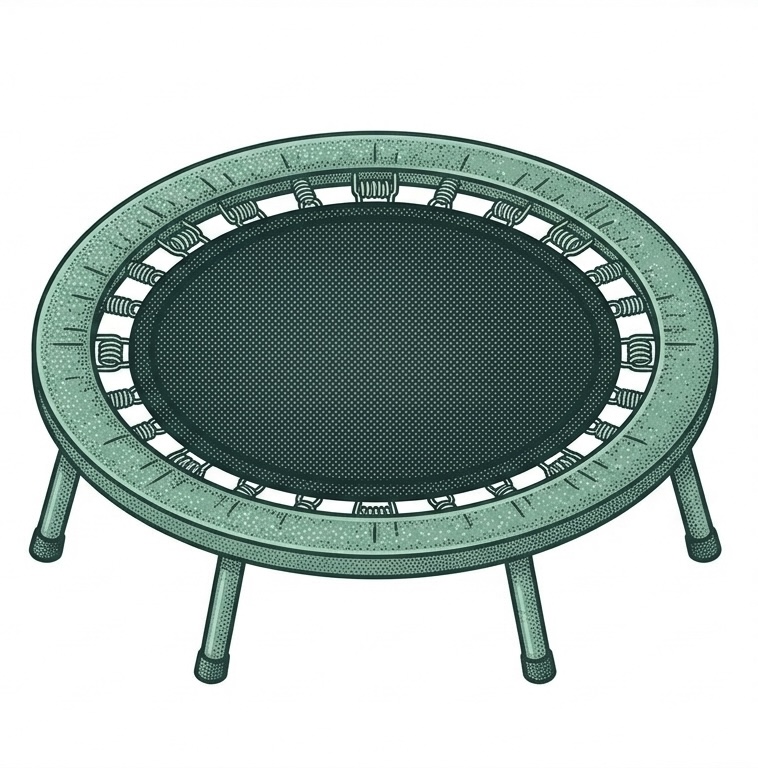
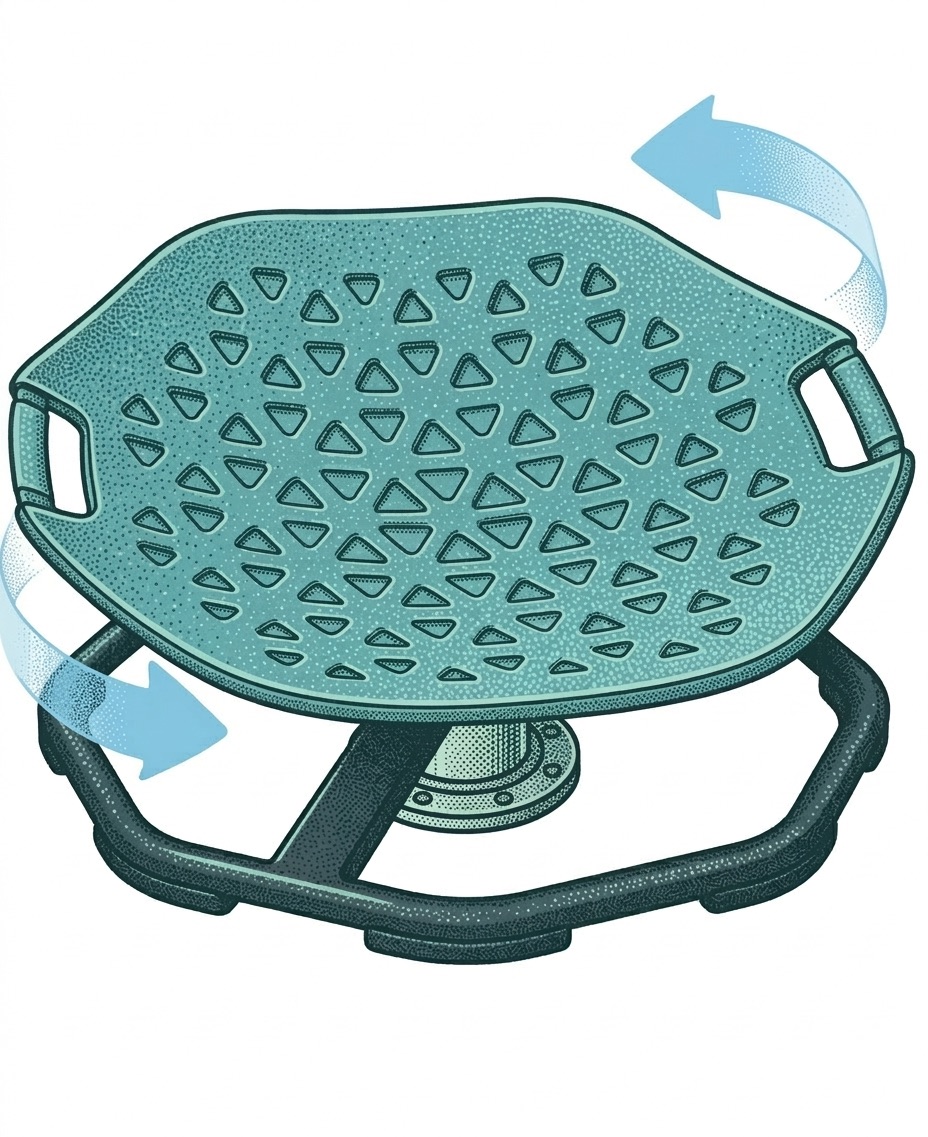
Five minutes of bouncing before homework is, by some distance, the most useful thing we do in our house. The combined proprioceptive and vestibular input from a small trampoline gives a sensory-seeking nervous system exactly the kind of deep, predictable feedback it's hunting for, and once that need is met, sitting down to read or write becomes possible rather than impossible. I'm not a paediatric OT, just a parent who watches the data closely. The most reliable predictor of how Jude's evening will go is whether he's had ten minutes on the trampoline before tea. It's also the single most useful tool we have for after-school restraint collapse, when a child has spent six hours holding it together at school and walks through the door with nothing left in the tank. If you're already using a spinning chair at home, a trampoline complements rather than duplicates it: different vestibular input, different muscle groups, different state.
Our top 5 picks, tested and reviewed for real sensory needs.
⭐ #1 Best Overall
MagicMeadow is a trusted UK brand founded by parents with a family background in understanding children's special educational needs, and it shows in their trampoline design. This compact indoor/outdoor trampoline is specifically designed for children with autism and sensory needs, with removable PU foam padding that provides a comfortable, forgiving bounce surface. The non-slip base keeps it stable on hard floors, and the simple design means children can use it independently. Washable and easy to clean, a practical essential for daily sensory regulation use.
Pros
- UK brand designed by SEN parents
- Removable washable PU foam pads
- Non-slip base
- Indoor & outdoor use
- 75kg capacity
Cons
- Smaller bounce surface than outdoor trampolines
- For younger/lighter children only
Check Price on Amazon →
#2 Best with Handle Bar
The Siairo bungee rebounder uses cords rather than metal springs, making it near-silent in use, gentler on joints, and providing a smoother, more controlled bounce that many sensory children find less jarring. The included handle bar gives children something to hold for balance and confidence, and helps them control their bouncing speed. Sold by Siairo-uk and shipped from Amazon Fulfillment. A great all-round indoor bungee option for daily sensory regulation use.
Pros
- Bungee cords: silent & gentle bounce
- Handle bar for balance & confidence
- UK seller: fast delivery
- Smooth controlled bounce
- Non-slip feet
Cons
- Larger than basic mini trampolines at 55"
- Newer product: fewer reviews
Check Price on Amazon →
#3 Best with Adjustable Handle
The Fit Bounce Pro II is one of the most highly regarded bungee rebounders on Amazon UK. The premium bungee cord system is virtually silent, a significant advantage for noise-sensitive children, and delivers a smooth, even bounce that is far gentler on joints than spring-based trampolines. Foldable for storage, it has thousands of UK reviews and is consistently praised by parents of autistic children and those with noise sensitivities. A long-lasting investment that many families describe as transformative for their daily sensory routine.
Pros
- Bungee cords: silent bounce
- Adjustable foam handlebar
- Foldable, easy to store
- Indoor & outdoor use
- Gentle on joints
Cons
- Check weight limit before buying
- Assembly required
Check Price on Amazon →
#4 Best with Safety Net
The FK Sports 55" is one of the most fully featured mini trampolines on this list: a proper bungee rebounder system, full safety enclosure net, padded edges, steel frame and an impressive 140kg weight capacity, all in a compact size suitable for ages 1 to 11. The safety enclosure net is a standout feature for sensory-seeking children who bounce energetically or have reduced body awareness. Assembly takes under 10 minutes, it works indoors or outdoors, and the durable materials wipe clean easily. Improves coordination, balance and strength while providing regulating proprioceptive and vestibular input.
Pros
- Bright engaging colours
- Compact & easy to store
- Indoor & outdoor use
- UK SEN specialist brand
- PU foam padding
Cons
- Check weight limit before buying
- Assembly required
Check Price on Amazon →
#5 Best for Toddlers
A brilliantly designed toddler trampoline that ticks every practical box. The elastic band system gives a smooth, quiet bounce with no startling rattles, ideal for noise-sensitive children. The no-gap mat keeps small feet safe, and the colourful geometric shapes (circle, square, triangle, star) on the mat make bouncing a learning experience too. The foam handlebar adjusts to two heights for ages 1 to 6. Six anti-slip rubber feet and a wide stance prevent tipping, and the whole thing folds to ¼ size in under 5 minutes with no tools: legs and handle all detach for compact storage.
Pros
- ASTM safety certified
- Folds to ¼ size for storage
- No-gap mat: safe for small feet
- Adjustable handle: grows with child
- Quiet elastic band bounce
Cons
- Ages 1–6 only: outgrown quickly
- 100lbs (45kg) weight limit
Check Price on Amazon →
Frequently asked questions
The questions parents ask us most.
How does bouncing help children with autism or ADHD?
Bouncing provides simultaneous proprioceptive input (pressure through feet, legs and joints) and vestibular input (up-and-down movement sensation). This combination is highly regulating for many children, particularly those who are sensory seeking. Regular bouncing sessions can improve focus, reduce anxiety and ease transitions.
What age are mini trampolines suitable for?
Most mini trampolines are suitable from age 3 with supervision. Always check individual weight limits. For children under 5, look for a handle option for stability support. There is no upper age limit as long as the weight capacity is not exceeded.
Indoor trampoline vs outdoor trampoline, which is better for sensory regulation?
For daily sensory regulation use, an accessible indoor trampoline is generally more useful. It can be used immediately after school or before homework without going outside. Outdoor trampolines provide more intense input but require specific weather and space. Many families have both.
Can mini trampolines be used as a calm-down tool?
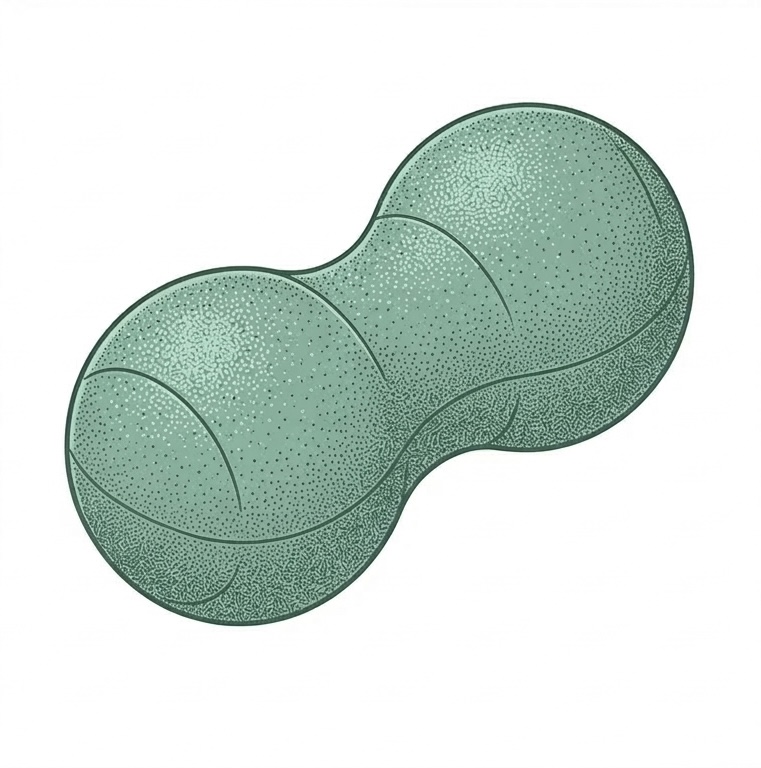
Slow, rhythmic bouncing can be calming. Fast, energetic bouncing is alerting. Most OTs recommend using the trampoline to burn off excess energy and self-regulate before a demanding task, rather than during a meltdown. Introduce it during calm times first so your child associates it positively. For active calming during distress, a
peanut ball with rhythmic rolling is often more effective than a trampoline.
Do I need OT guidance before buying a trampoline?
Not necessarily, but if your child has significant sensory needs, an OT assessment will confirm whether a trampoline is appropriate and how best to incorporate it into their
sensory diet. Some children need to build up tolerance to bouncing gradually.