Vestibular Input
Best Sensory Spinning Chairs for
Autistic & ADHD Children
The best sensory spinning chairs for vestibular input, self-regulation and focus. Chosen for safety, smooth spin quality and durability.
The best sensory spinning chairs for vestibular input, self-regulation and focus. Chosen for safety, smooth spin quality and durability.
"I was sceptical that a chair could make much difference. Then I watched Jude spin for eight minutes, stop, and sit down calmly to do his homework without a single prompt. I ordered a second one for the living room the same week."
— Sarah M., founder of Sensory Sorted
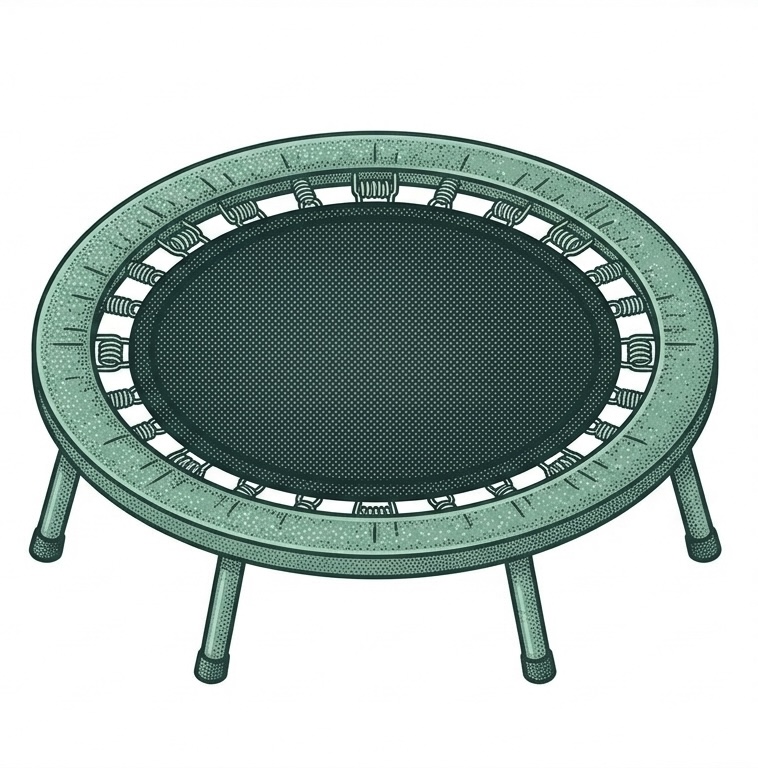
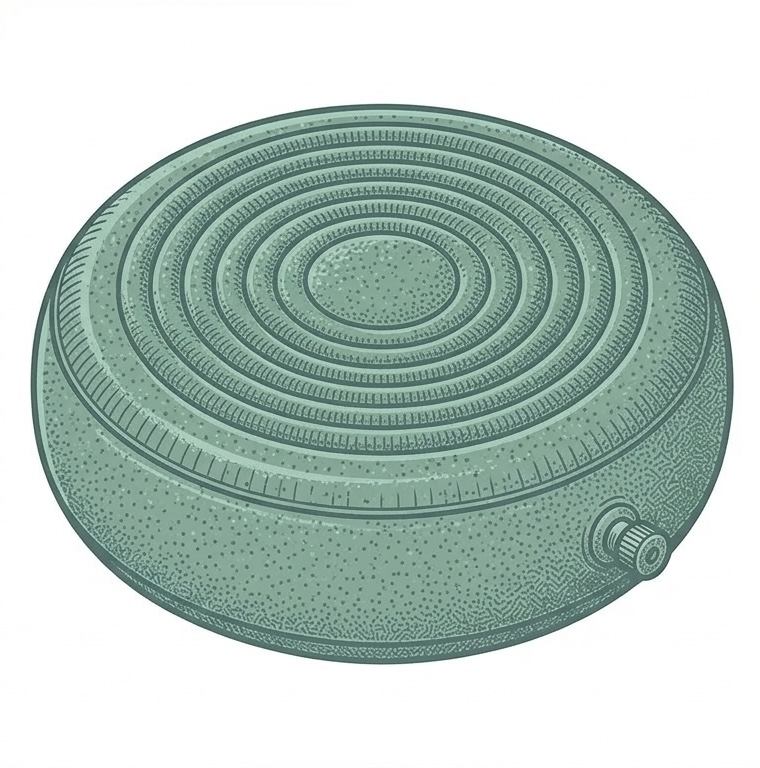
A sensory spinning chair looks, to anyone unfamiliar with sensory needs, like an oddly small piece of furniture. To Jude, it's the on-switch for being able to do his homework. Spinning provides intense vestibular input, the kind of deep movement signal that sensory-seeking children's nervous systems are constantly hunting for, and that helps the system settle once the need is met. I'm a parent and not a paediatric OT. What I can tell you is that ten minutes of controlled spinning has, for our family, replaced quite a lot of negotiation about screen time. Spinning chairs sit naturally alongside other movement-based regulation tools like a mini trampoline for gross-motor energy release, or a wobble cushion for the same vestibular principle applied to seated focus.
Our top 5 picks, tested and reviewed for real sensory needs.
The TERRAMUS Large is the premium version of one of Amazon UK's most popular sensory spinning chairs, built for older and bigger children who've outgrown smaller sit-and-spin designs. The 300mm high ergonomic backrest takes pressure off the back and hips during extended spinning sessions, while the thickened smooth edges give children something safe to grip as they build momentum. The upgraded high-precision ball bearing mechanism allows full child-controlled rotation: slow spinning for calm, fast spinning for vestibular input and balance training. The heavy-duty metal base and 10mm ultra-thick PP seat comfortably support up to 220lbs, making it genuinely usable into adulthood. Seat height 48cm, seat depth 64cm, overall footprint 60×48cm — larger than most children's models but more stable for it. Backed by a 180-day warranty.
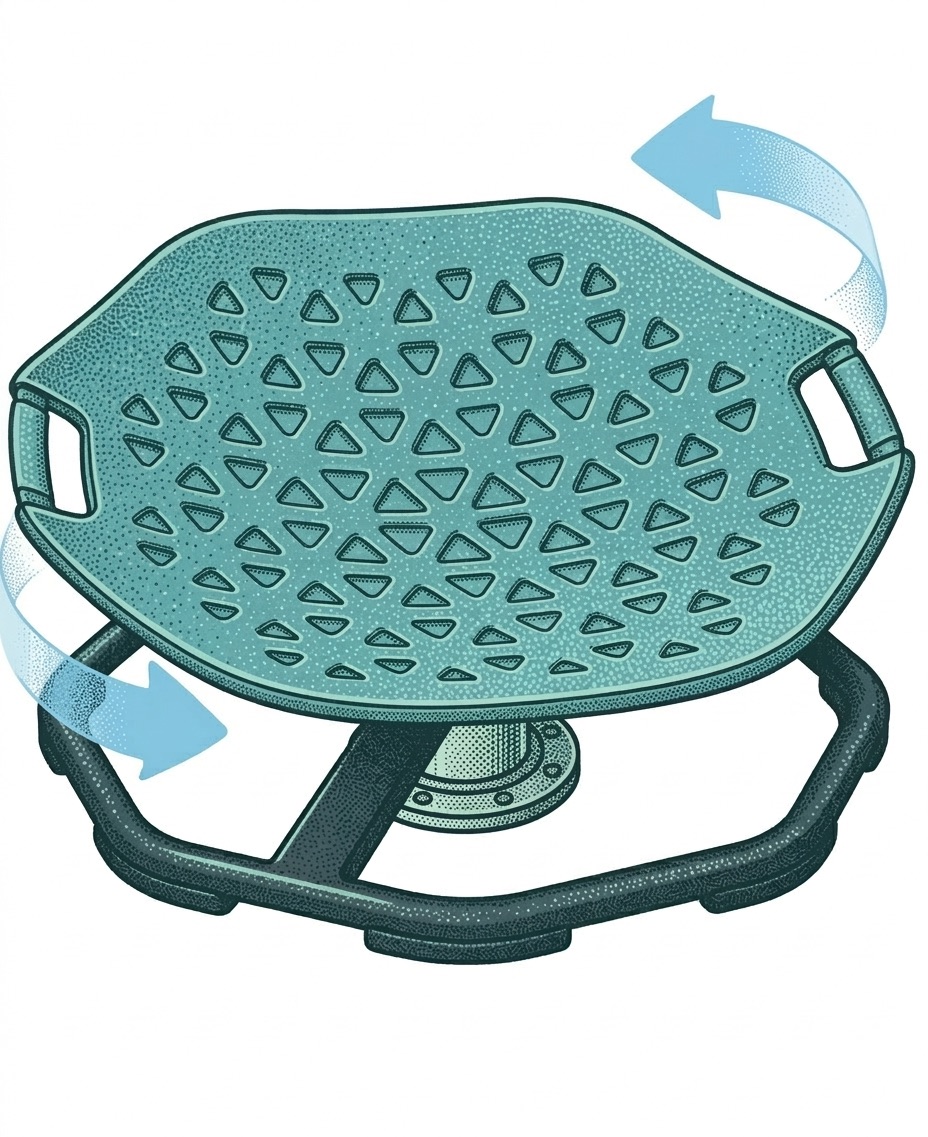
The LZDMY spinning chair stands out for its built-in sensory activity board, the textured, triangle-patterned seat surface provides tactile stimulation as well as vestibular input, making it a dual-sensory tool. The robust metal base holds up to 90kg, non-slip rubber feet keep it stable on any surface, and the high-quality polyethylene construction is heat and corrosion resistant. Children can sit, kneel or lie on it: each position offering a different sensory experience. UK reviewers specifically praise its sturdiness and describe it as well made and effective for sensory-seeking children.
The PLSGKF Airplane spinning chair is a firm favourite for younger children, the airplane wing design acts as natural handrails for safety and security while spinning, giving children something to grip and control their speed. The high-precision ball bearing mechanism provides smooth 360° rotation, and the 10mm thick PP seat supports up to 220lbs. Children can sit, kneel, or lie on their stomachs: each position stimulating the vestibular system differently. The airplane theme encourages imaginative play alongside sensory regulation, making sessions feel fun rather than therapeutic.
MagicMeadow was founded by parents of a child with ASD, and that background shows in the thoughtful design of their Frog spinning chair. The fun frog character design makes it genuinely appealing to younger children who might resist more clinical-looking sensory equipment. They simply want to sit on the frog. The 75kg weight capacity and heavy-duty construction ensures it withstands continuous daily use, and the non-slip base prevents tipping. Popular in both home and school SEN settings.
The Evie Bee is a UK-brand spinning chair built to a notably high standard of safety: 10mm thick child-friendly ABS material, reinforced metal frame, anti-slip pads and fully rounded smooth edges designed to prevent injuries during energetic play. With a 100kg capacity and specific design for children with sensory needs including autism and ADHD, it supports vestibular integration, spatial awareness and motor planning. UK reviewers praise the quality, ease of assembly and value for money. Comes with all tools needed for assembly.
The questions parents ask us most.