There's a moment, often around year 4 or 5, when a child who has happily worn ear defenders suddenly stops wanting to be the only one in the classroom with bright purple cans on their head. Earplugs are what comes next: smaller, less visible, kept in a pocket rather than displayed. For many sensory children, they're the difference between getting through the school day and not. They reduce the constant low-level sensory overload of busy school environments without making the child stand out. I'm a parent and not an audiologist, but Ella's transition from defenders to filter earplugs was the single biggest shift we've made in how she manages noise in public. The five picks below are the ones I'd trust for a child who actually needs to function in a noisy world rather than be removed from it.
Our top 5 picks, tested and reviewed for real sensory needs.
⭐ #1 Best Overall
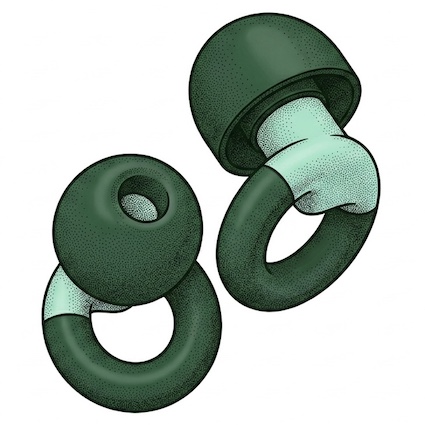
Loop is the brand that has done more than any other to make earplugs genuinely wearable for sensory-sensitive people, and the Engage Kids 2 brings that expertise to children aged 6 to 12. The key difference from standard foam earplugs is what they don't do: they filter background noise without muffling speech, so children can still hear their teacher, follow conversation, and feel connected to the group. The 16 dB noise reduction takes the edge off a loud classroom, canteen or playground without creating the isolating effect that makes many children unwilling to wear hearing protection. Four silicone ear tip sizes (XS, S, M, L) ensure a comfortable fit as children grow, and the keychain carry case means they travel with your child rather than being left at home. These are the earplugs designed for children who need to function in the world, not shut it out.
Pros
- Speech stays clear, no muffling
- Discreet enough to wear all day at school
- 4 ear tip sizes for growing ears
- Keychain case: always with your child
- Reusable and easy to clean
Cons
- Higher price than standard earplugs
- 16 dB may not be enough for very loud events
Check Price on Amazon →
#2 Best Value
The Naiicute offers a higher noise reduction rating (26 dB) than the Loop Engage Kids 2, at a fraction of the price, making it an excellent option for families who want effective protection for travel, events and concerts rather than all-day school use. The silicone cord connecting the two plugs is a practical feature that prevents one inevitably going missing at the bottom of a school bag, and the zippered case with carabiner clip adds another layer of security. Four ear tip sizes ensure a good fit from school age through to teenagers and adults with smaller ear canals. Soft silicone construction is comfortable for extended wear, and the whole lot can be washed quickly with mild soap.
Pros
- 26 dB: higher reduction for louder environments
- Safety cord prevents loss
- Zippered case with carabiner
- Excellent value
- Fits school age to adults with small ears
Cons
- More sound blocking: may feel isolating in conversation
- Cord can snag on clothing
Check Price on Amazon →
#3 Best Fun Design
Getting a younger child to accept something in their ears is half the battle, and the Eargrace Owl design wins points for being something children want to try. The charming owl-shaped body makes them feel like an accessory rather than medical equipment, which matters enormously for children who resist wearing hearing protection. The 26 dB noise reduction is effective for school, travel, concerts and events, and the four silicone ear tip sizes (XS, S, M, L) give a secure, comfortable fit. The flexible silicone cord prevents loss, and the compact travel case tucks neatly into any pocket or bag. Made from non-toxic silicone and gentle on sensitive ears.
Pros
- Owl design: children want to wear them
- 26 dB effective protection
- Safety cord prevents loss
- Non-toxic silicone
- Suitable from age 5
Cons
- Design more suited to younger children
- Newer brand: fewer reviews
Check Price on Amazon →
#4 Best No-Blocking Option
Calmer Kids works differently from every other product on this page. It doesn't reduce volume at all. Instead, the hollow silicone insert sits in the ear and reduces the resonance that the ear naturally adds to sounds between 2–8 kHz, which are the frequencies most associated with stress and overstimulation. The result is sound that feels calmer and less grating, without any of the muffling or isolation that makes children reluctant to wear conventional earplugs. For children who find noise distressing but need to communicate freely, especially in classrooms. Calmer Kids can be a different experience. The virtually invisible translucent design means most people won't even notice them. Worth trying before committing to more blocking options if your child finds hearing protection makes them feel cut off.
Pros
- No muffling: speech stays completely natural
- Virtually invisible in the ear
- Can be worn all day without discomfort
- Works differently: worth trying if other options have failed
- No occlusion effect
Cons
- Not suitable for very loud environments
- Effect is subtle, not right for all children
Check Price on Amazon →
#5 Best Multi-Purpose
Alpine has 25 years of hearing protection expertise, and the Pluggies Kids reflects that pedigree. What sets them apart from the other options here is genuine versatility, the same plugs block ambient noise for focus and calm, keep water out during swimming, and regulate air pressure during flying. For families who want one solution that works across multiple situations, this is hard to beat. The patented AlpineThermoShape material is hypoallergenic (no silicone), adapts gently to the shape of the ear canal over time, and is sustainable, a thoughtful material choice. CE and UKCA certified to 25 dB SNR. Each pack also includes six cheerful stickers for decorating the carry case, which younger children love.
Pros
- Works for noise, swimming and flying
- Hypoallergenic, no silicone
- AlpineThermoShape moulds to the ear
- Trusted brand: 25 years R&D
- CE & UKCA certified
Cons
- Higher price per pair than budget alternatives
- Not the most discreet option
Check Price on Amazon →
Frequently asked questions
The questions parents ask us most.
How are earplugs different from ear defenders for sensory children?
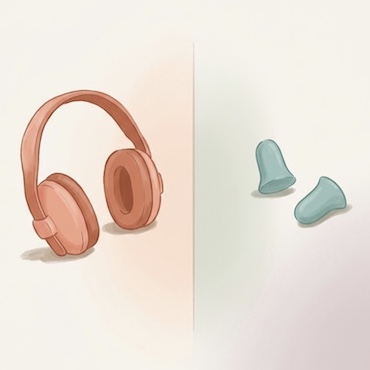
Ear defenders are larger over-ear cups that are more effective for high-intensity noise like fireworks or loud events, and more appropriate for younger children who can't yet manage small items in their ears. Earplugs are small, discreet, and much easier to keep in a school bag or pocket, making them more practical for older children and for everyday use. Many families use both: ear defenders for known difficult events, earplugs for day-to-day management. For a deeper side-by-side, the
ear defenders vs earplugs guide goes through SNR ratings, age suitability, and when to choose each.
What age can children start using earplugs?
Most children's earplugs are designed for age 5 and upward, with some (like the Loop Engage Kids 2) specifically rated for ages 6–12. The key consideration below age 5 is the choking risk from small parts. Ear defenders are safer for toddlers and young children. Always supervise use with younger children.
Will my child find earplugs uncomfortable?
This varies considerably. Children with oral or
tactile sensitivities in and around the face may resist objects in their ears. Start with short sessions in familiar, calm environments. Let your child handle the plugs first and put them in themselves. Control matters. Silicone options are generally much more tolerable than foam for sensory-sensitive children.
Can earplugs help at school without isolating my child?
Yes. This is exactly what filter-based earplugs like the Loop Engage Kids 2 and Flare Calmer Kids are designed for. They reduce the background noise level while keeping speech clear and natural, so your child can still participate fully in lessons and conversation. The difference from blocking earplugs is significant and worth paying for.
Do earplugs affect how a child hears their own voice?
Standard blocking earplugs can cause the "occlusion effect": a boomy, louder quality to your own voice that many children find deeply unpleasant. Filter-based designs and the Flare Calmer Kids largely avoid this. If your child tries earplugs and complains about their own voice, try a different design rather than giving up on the concept altogether.