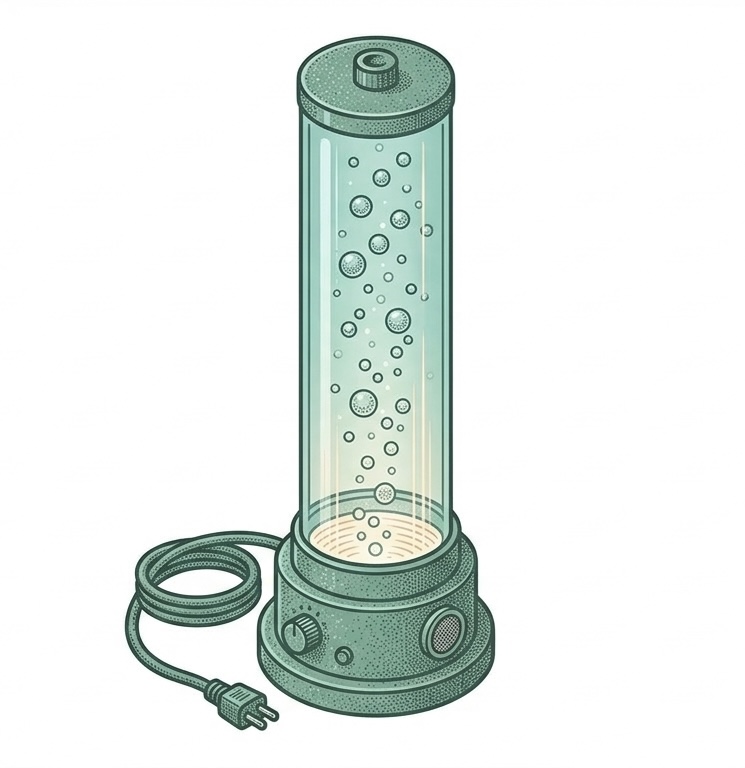
Visual sensory toys aren't a gimmick. For some children, watching slow, predictable light is one of the few activities that produces actual stillness, the kind that lets a busy nervous system catch its breath. Hand Ella a sensory tube where coloured liquid cascades slowly through glitter and beads, and she'll go quiet for ten minutes. The thing that makes them genuinely useful, rather than just appealing, is portability. They come with you to the supermarket queue, the waiting room, the back seat of the car. I'm a parent, not a paediatric OT. Two things have become clear over the years: cheap light-up toys vary wildly in quality, and the right one is genuinely useful for children with sensory processing differences who need a low-stakes, low-cost regulation tool to keep in the toy box or the changing bag. The five picks below are the ones we've found genuinely worth the money. For larger plug-in sensory-room equipment: bubble lamps, galaxy projectors, infinity tunnels, the dedicated sensory room lighting guide covers that side of the spectrum.
Our top 5 picks, tested and reviewed for real sensory needs.
⭐ #1 Best Overall
The Joyreal 10-piece set is one of the most popular light-up sensory toy bundles on Amazon UK and for good reason. It covers visual, auditory and tactile senses in one box. The set includes 2 LED light-up maracas (3 light modes each), 2 flashing spiked sensory balls, and 6 colour sensory telescopic tubes in different colours. The maracas produce sound as well as light, making them multi-sensory tools for children who benefit from combined input. Made from non-toxic, durable materials and ASTM CE certified. A brilliant all-round starter set.
Pros
- 10 pieces covering 3 senses
- LED maracas with sound
- Flashing spiked balls for tactile input
- ASTM CE certified safe materials
- Batteries included
Cons
- Some pieces more durable than others
- Best for ages 3–8
Check Price on Amazon →
#2 Best Calming Visual
The NYOBABE sensory tubes are shake-activated, a satisfying interaction that promotes hand strength and coordination as well as providing mesmerising visual stimulation. Each tube contains a different filling (glitter, beads and liquid) that swirls and descends slowly when shaken, creating a deeply calming lava-lamp effect. The 7 colour-changing LED lights reflect beautifully off the fillings. UK reviewers describe the effect as "mesmerising" and "truly calming." The non-toxic calcium salt and water liquid is safe if accidentally spilled.
Pros
- Shake-activated: promotes hand strength
- 7 colour-changing lights
- 3 different calming fillings
- Non-toxic liquid: safe if spilled
- Mesmerising calming effect
Cons
- No off switch: auto turn-off only
- Fragile if dropped on hard surfaces
Check Price on Amazon →
#3 Best for Toddlers
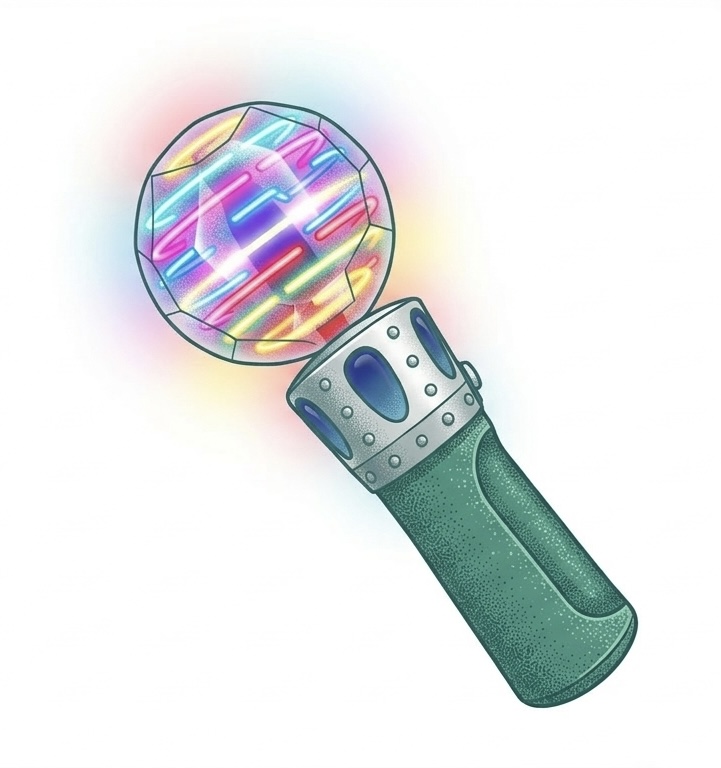
LoveHugs is a UK brand with a history of making toys specifically for children with special needs, and the Musical Light Up Wand is their most popular product. It plays an enchanting melody on a loop while spinning colourful LED lights, combining auditory and visual sensory input in a simple, easy-to-hold wand. The easy on/off switch (rather than a button) makes it accessible for children with motor difficulties. Fully EN71 safety certified and reinforced with PC materials for extra impact resistance. Particularly well-loved for bedtime wind-down routines.
Pros
- UK brand designed for special needs
- Music + light: dual sensory input
- Easy on/off switch
- EN71 safety certified
- Impact-resistant PC materials
Cons
- Music plays on loop: can become repetitive
- Some reports of spinning mechanism wearing over time
Check Price on Amazon →
#4 Best Liquid Motion
The JOYIN Liquid Motion Fidget Toys combine visual and tactile sensory input in a single portable tool: each tube contains colourful liquid that cascades slowly when tilted, providing a mesmerising, calming visual experience as well as the satisfying physical sensation of holding and turning the tube. The 4-pack covers different colour combinations, keeping children's interest over time. Confirmed in stock on Amazon UK, sold by Joyin Direct from Amazon Fulfillment. UK reviewers describe them as "great quality," "very calming" and "perfect for the classroom." Suitable for children with autism, ADHD and sensory processing differences.
Pros
- Visual & tactile sensory input combined
- 4 different colour tubes
- Confirmed in stock: sold by Joyin Direct
- Calming liquid motion effect
- Classroom & home friendly
Cons
- Liquid tubes can break if dropped hard
- Not for children who mouth toys
Check Price on Amazon →
#5 Best Light Table
The Yellcetoy sensory light table is an impressive all-in-one learning and sensory tool: a colour-changing LED light panel with 149 accessories including geometric shapes, letters and numbers. Children place the transparent shapes on the lit surface and explore colour mixing, patterns and letters in a visually stimulating way. Ten brightness settings (all blue-light free) let you find the right level for your child's visual sensitivity. Portable, USB powered with three power options, and comes with a storage bag. A brilliant tool for sensory exploration and early learning combined.
Pros
- 149 accessories included
- 10 blue-light-free brightness settings
- 3 power options: very flexible
- Colour mixing & learning combined
- Storage bag included
Cons
- Light distribution not perfectly even
- USB cable cannot be stored inside unit
Check Price on Amazon →
Frequently asked questions
The questions parents ask us most.
Can light-up toys help with meltdown recovery?
Yes. Many families use a designated sensory space with visual light tools as a calm-down area for managing
sensory overload. The key is introducing the tools during calm, regulated times first so the child builds a positive association. They fit naturally as a calming element in a wider
sensory diet. During a meltdown, guide gently to the space rather than instructing.
Are LED lights safe for children's eyes?
Standard LED toys at normal viewing distances are safe. Look for "blue-light free" certification for anything used close to bedtime. Avoid directing any light source directly into eyes, and choose toys with diffused rather than focused beams.
My child gets over-stimulated by lights. Can they still benefit?
Start with very low brightness and short sessions. Watch for signs of escalating arousal: louder, faster movements, difficulty disengaging, and end the session before these appear. Slow colour-changing lights and gentle sensory tubes are generally the most manageable starting point for light-sensitive children.
Can light-up toys help with sleep?
Yes: slow colour-changing nightlights and softly lit sensory toys are widely used in bedtime routines for sensory children, and they fit well into a wider plan for
supporting sleep in neurodivergent children. Avoid fast-flashing or highly stimulating toys in the hour before bed. Pair with a
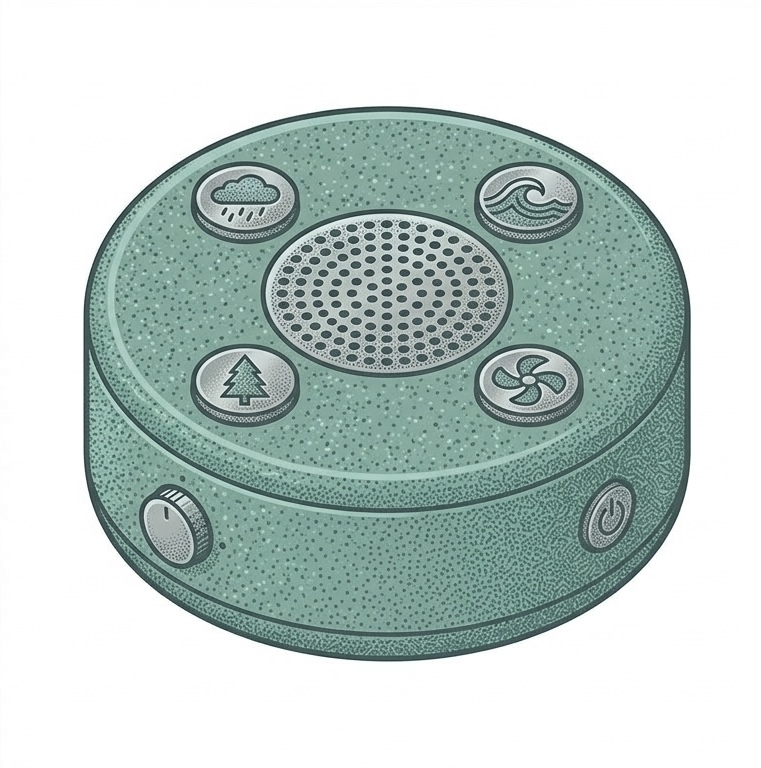
white noise machine for a complete sensory sleep environment.
What is a sensory room and do I need one?
A sensory room is a dedicated space containing multiple sensory tools. You don't need a whole room. A sensory corner with a few carefully chosen light tools delivers most of the benefit. A sensory tube, a colour-changing nightlight and a comfortable cushion is often all that's needed.