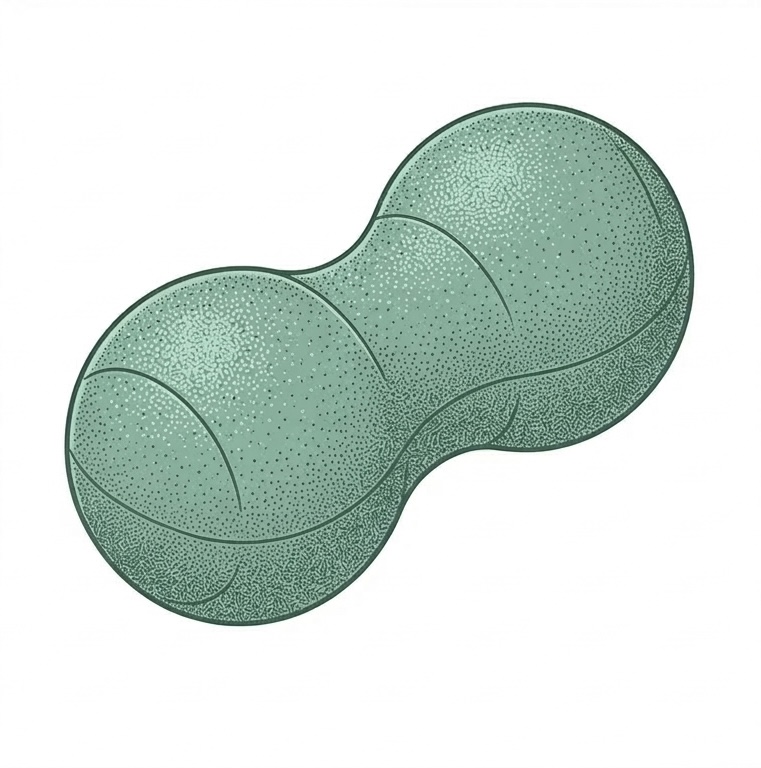
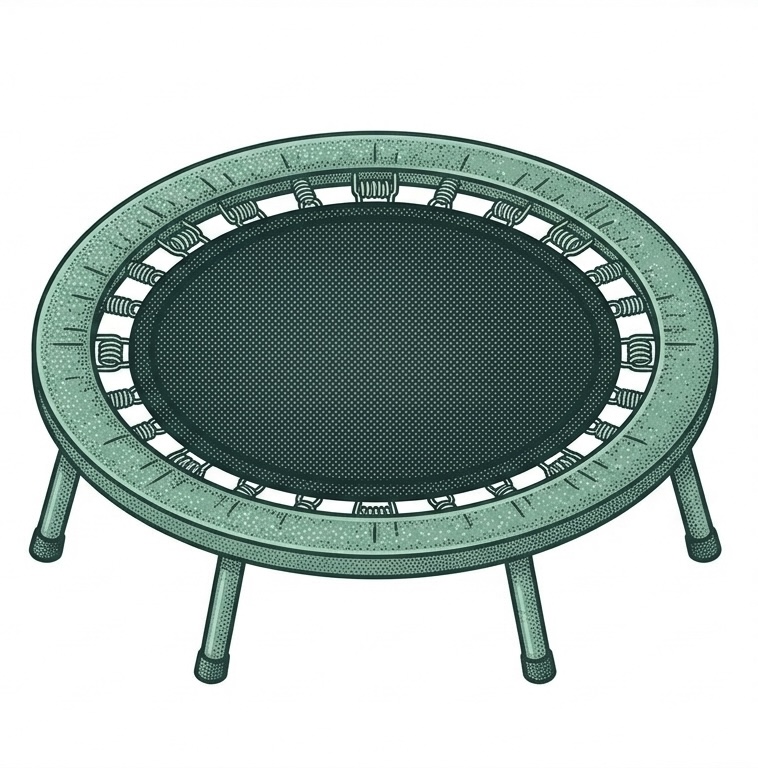
A peanut ball is one of those tools that looks faintly absurd in a living room and then turns out to be quietly brilliant. Unlike a round gym ball, the peanut shape only rolls in one direction, which means a child can lie face-down across it, be slowly rocked, and get the kind of deep proprioceptive input that no amount of asking-them-to-sit-still will ever provide. I'm a parent, not an OT. But ours suggested a peanut ball for Jude before meals and I'd recommend the same conversation to anyone whose child wriggles, rocks, or chair-tips through every dinner. Peanut balls work especially well as part of a wider sensory diet, alongside other movement-based tools like a mini trampoline for gross-motor energy release earlier in the day.
Our top 5 picks, tested and reviewed for real sensory needs.
⭐ #1 Best Overall
The BABYGO Sensory Peanut Ball is specifically designed and marketed for children with sensory needs and autism, and it shows in every detail. The 45x90cm size is ideal for primary school-age children, the anti-burst PVC holds up to energetic daily bouncing, and it comes with a pump and a full exercise book showing therapeutic moves and positions. UK parents of autistic children consistently praise it for helping with after-school regulation. A trusted UK brand with thousands of verified reviews.
Pros
- Specifically designed for sensory & autism
- Exercise book with therapeutic moves
- Anti-burst PVC
- Pump included
- Strong UK reviews
Cons
- Colours sent at random
- Pump takes time to inflate fully
Check Price on Amazon →
#2 Best Budget
The DASKING is one of the most reviewed peanut balls on Amazon UK for sensory and autism use. Parents of autistic children specifically praise it for withstanding months of hard daily bouncing without deflating. The 90x45cm size provides excellent stability. It only rolls in one direction, unlike round balls, making it ideal for children who struggle with balance. Anti-burst PVC, 200kg weight capacity, and pump included. An outstanding value option.
Pros
- Exceptional value
- Anti-burst: withstands hard bouncing
- 200kg weight capacity
- Pump included
- Thousands of UK reviews
Cons
- Pump can be tricky to use
- Colours may vary
Check Price on Amazon →
#3 Best Sensory Surface
The DAJASD stands out from standard peanut balls with its bumpy nodule surface: each bump stimulates tactile receptors in the skin, adding an extra layer of sensory input alongside the proprioceptive benefits of bouncing and rolling. The nodules simulate a finger-massage effect, making rolling over this ball even more regulating than a smooth-surface equivalent. Made from non-toxic, BPA-free and heavy-metal-free PVC with anti-burst construction. The 90x45cm size suits most primary school-age children, and a pump is included.
Pros
- Bumpy nodules add extra tactile input
- Simulates finger-massage effect
- BPA-free & heavy-metal-free PVC
- Anti-burst construction
- Pump included
Cons
- Nodules may feel intense for tactile-sensitive children
- Newer brand: fewer reviews
Check Price on Amazon →
#4 Best for Toddlers
The Trintion is a consistently well-reviewed, straightforward peanut ball that delivers exactly what it promises. The foot pump is notably faster than the hand pumps that come with many competitors, inflating the ball in a matter of minutes. BPA-free PVC, 200kg weight capacity, and anti-burst construction make it safe for daily use. UK parents praise the quality for the price, and the peanut shape provides the natural one-direction rolling stability that makes these so much safer for children than round balls.
Pros
- Fast foot pump: quicker inflation
- BPA-free PVC
- 200kg capacity
- Anti-burst
- Good value
Cons
- Colours sent at random
- Some reports of slight initial deflation
Check Price on Amazon →
#5 Best UK Specialist Brand
Sensory Direct have been manufacturing specialist SEN products in the UK since 2005, and their Peanut Therapy Ball is designed specifically for therapeutic use with children with sensory needs, autism and developmental delays. Recommended by OTs and used in UK SEN schools and therapy settings. Available in multiple sizes to suit different ages and body weights. Anti-burst construction and manufactured to professional therapy standards. The first choice for parents who want a product designed by SEN specialists rather than adapted from a general fitness product.
Pros
- UK SEN specialist manufacturer
- OT-designed for therapy use
- Multiple size options
- Used in SEN schools
- Anti-burst to professional standard
Cons
- Higher price than generic brands
- Pump sold separately
Check Price on Amazon →
Frequently asked questions
The questions parents ask us most.
What is a peanut ball used for?
Peanut balls provide proprioceptive input: pressure and resistance information to muscles and joints that helps regulate the nervous system. Children can roll over them, sit on them, or bounce on them. OTs use them for calming, alerting, and transition support depending on how they're used.
How is a peanut ball different from a regular exercise ball?
The peanut (double-sphere) shape prevents the ball from rolling away when a child climbs on it, a significant safety and usability advantage over round exercise balls. The shape also only rolls in one direction, making it much more stable and controllable for children.
What size peanut ball do I need?
For children aged 3–7, a 45cm height peanut ball works well. For older or larger children, a 50cm is better. When sitting on the ball, your child's hips should be at roughly 90°. Your OT can advise on the best size for specific therapeutic activities.
Can peanut balls help with ADHD?
Yes, the proprioceptive input from peanut ball activities is alerting without being over-stimulating. A 10–15 minute session before homework or a demanding task can significantly improve focus and task completion for children with
ADHD.
Are peanut balls safe for unsupervised use?
Young children (under 5) should always be supervised. Older children who have been taught safe use can generally use them independently. Always ensure the area around the ball is clear of furniture edges and hard surfaces.