Weighted Stuffed Animals
The best weighted stuffed animals for children who need something to hold onto
Bead-filled plush toys that deliver deep pressure input through hugging, cuddling, and carrying: a portable comfort tool for anxious, sensory-seeking, and sensory-sensitive children.
✍️ Written by Sarah M.
🔗 Contains affiliate links
📅 Updated May 2026
⭐ Sarah's Top Pick
"Ella has always needed something in her hands during transitions. Getting into the car, waiting at the GP, arriving somewhere unfamiliar. Those in-between moments are the hardest. The HUGIMALS cat came with us everywhere for a solid three months. She'd squeeze it, press it against her chest, use it as a pillow. The weight is subtle enough that it doesn't feel medicinal, but you can feel it working."
— Sarah M., on the HUGIMALS Weighted Sensory Plush
I'm a parent, not an occupational therapist, but weighted tools have been part of our household for years. Ella has always responded well to deep pressure input: the steady, even weight that tells her nervous system to slow down. We started with a weighted blanket at night, then a weighted lap pad for homework. Weighted stuffed animals fill the gap in between: they're portable in a way neither of those is, and they work in the situations where those other tools can't go. The car. The waiting room. The school bag. The four below are the ones worth considering on the UK market. I've focused on actual weight, washability, and whether the animal itself is one a child might genuinely choose to carry.
Our top picks
Four weighted stuffed animals, from a versatile multi-animal range to a heatable highland cow with a built-in heat and cool pad.
⭐ #1 Top Pick
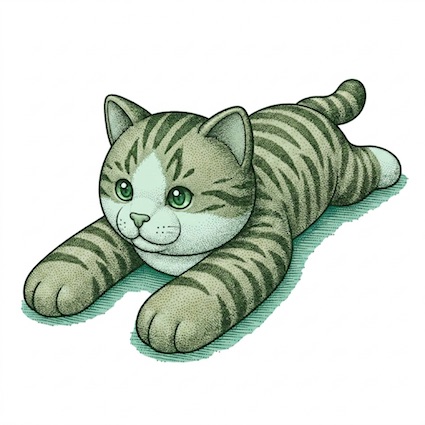
The HUGIMALS is the most deliberately therapeutic option on this list. The 2kg of non-toxic glass beads are distributed evenly across the limbs as well as the body, which means the weight is felt all over rather than pooling in one spot. That even distribution is what separates a properly weighted plush from a novelty toy with a handful of beads in the middle. The weighted insert is removable via a secure fastener, so the soft outer shell goes in the washing machine on a cold, gentle cycle while the insert stays out. It comes in five animal options (cat, pig, puppy, elephant, koala), all equally substantial, so let the child choose and they'll engage with it more. The "hugs back" sensation it's designed around is the point: when Ella pressed it against her chest, the weight pressed back in a way that genuinely grounded her. It's the option I'd recommend first to any parent who's been told by an OT to look at deep pressure tools but isn't sure where to start.
Pros
- Highest rating on this list (4.7)
- Even weight distribution across limbs
- Removable insert for machine washing
- Five animal options
- Certified to UK, European, and global safety standards
- Age 2+ rating
Cons
- Most expensive option on this list
- Shell requires hang drying (no tumble dry)
- 2kg may be too heavy for very young or small children
Check Price on Amazon →
#2
Pete the Panda is a proper character, and that matters more than it might sound. Children who carry comfort objects tend to attach to them specifically: the name, the face, the personality. Lilly's Love have leant into this, designing Pete (and the dog, bear, and sloth variants) from scratch with close attention to detail rather than producing a generic plush. At 5lb / approximately 2.3kg, it matches the HUGIMALS for weight, and the glass bead filling is similarly enclosed in a removable insert that keeps washing straightforward. The extra-soft plush fabric is tactile without being scratchy, which matters for children with texture sensitivities. It doubles as a pillow at sleep time, which makes it useful across two of the scenarios our families tend to find hardest: transitions during the day, and the wind-down at night.
Pros
- Designed as a proper character (high child engagement)
- Same high rating as HUGIMALS (4.7)
- Removable insert for easy washing
- Doubles as a pillow at sleep time
- Tactile-friendly plush fabric
Cons
- Slightly bulkier than the HUGIMALS for the same weight
Check Price on Amazon →
#3
Sloths are a popular comfort animal for children with anxiety and sensory needs, and the ODOXIA leans into this with a design that's built around being held and pressed against the body rather than propped up on a shelf. At 2.2kg, the weight is comparable to the other options here. What sets it apart is the carrying bag included in the box, useful for a child who takes it to school or wants it in the car, where a plush toy without a bag tends to accumulate dirt fast. The filling is removable for cleaning, and the 53 x 32cm dimensions make it large enough to drape across the lap during a car journey or hug properly rather than being a token-sized toy. The listing positions it as OT-recommended for deep pressure stimulation, and the design supports that: the elongated sloth shape means weight is distributed over a wide area when held against the body. Slightly lower rating than the top two, but a strong third choice, particularly for children who respond well to the sloth character.
Pros
- Includes carrying bag (practical for school and travel)
- Large size distributes weight well when held
- OT-recommended deep pressure design
- Removable filling for cleaning
Cons
- Slightly lower rating than top two picks
- Higher price point for a non-premium brand
Check Price on Amazon →
#4
This one is a different proposition from the others. The Mewaii plush has a removable inner pad that can be microwaved for up to 90 seconds for gentle warmth (up to 30 minutes of heat), or chilled in the freezer for a cooling effect. At 2.3kg with the pad in, it's the heaviest option on this list. Remove the pad and it drops to 1kg, which is lighter than the others but still substantial enough to feel grounding. The combination of weight and warmth helps children who struggle with sleep transitions or need to calm down after a difficult afternoon: warmth has an independent calming effect that layers on top of the deep pressure from the weight. The range comes in five animal options: black cat, brown bear, cow, highland cow, and elephant, so there's a reasonable chance of finding one your child will actually want to carry. The 58cm size means it's large enough to properly cuddle. Worth noting: this is not a standard stuffed animal with beads throughout. The weight is concentrated in the pad and the limbs rather than distributed evenly, which is a slight difference from the HUGIMALS approach. But at this price, with this rating and the heat and cool feature, it's the most versatile option on the list.
Pros
- Unique heat and cool function
- Heaviest option with pad (2.3kg)
- Adjustable weight by removing pad
- Large and cuddleable at 58cm
- Five animal options to choose from
Cons
- Weight not evenly distributed throughout (concentrated in pad and limbs)
- Requires microwave access for heat function
- Surface clean only (not machine washable as a unit)
Check Price on Amazon →
What to look for
The questions worth thinking through before you buy.
⚖️
Actual weight
The therapeutic benefit comes from the weight. Look for anything from 1.5kg upwards for most primary-school-aged children. The general OT guideline for weighted tools is around 10% of the child's body weight. Be cautious of plush toys marketed as "weighted" but coming in under 1kg: at that weight, the deep pressure effect is minimal. All four options here sit in the 1.8–2.3kg range, which is solid for a portable comfort tool. If your child already works with an occupational therapist on a sensory diet, check with them on the right weight before buying.
🧸
Character matters
A weighted stuffed animal only works if the child wants to carry it. The most therapeutically perfect design is useless in a drawer. Let your child choose the animal if you can, or choose based on what they already respond to. Children going through a difficult period, whether that's school anxiety, a new diagnosis, or a hard transition at home, often attach strongly to a specific animal. That attachment is part of what makes the tool work.
🧺
Washability
A comfort toy that goes everywhere gets dirty quickly. Look for a removable insert that lets you machine wash the outer shell. The HUGIMALS and Lilly's Love both do this well. The Mewaii requires surface cleaning, which works but means more frequent spot-cleaning if the toy is used daily. A carrying bag (included with the ODOXIA) helps keep things cleaner on the go.
🌙
Day use vs sleep use
Some weighted plush toys double as sleep aids, which is useful if your child struggles to settle at night, and sleep problems are common in neurodivergent children, so having a familiar weighted object at bedtime can be part of the solution. The Lilly's Love panda is explicitly designed as a pillow too. The Mewaii's heat function makes it particularly well-suited to the wind-down period. If day-time portability is the priority, the HUGIMALS and ODOXIA (with its carrying bag) are the more practical choices.
🔬
Bead type
Glass beads are denser and distribute weight more smoothly and evenly than PE (plastic) beads. For proper deep pressure input, glass beads are what occupational therapists recommend, and they're what's used in therapeutic weighted blankets and lap pads. The HUGIMALS and Lilly's Love both use glass beads. The ODOXIA's listing does not specify bead type; for the most therapeutically rigorous choice, the HUGIMALS is the clearest option.
🏫
Using one at school
Many schools are happy to allow a comfort toy in a child's bag, particularly if it's been recommended as part of a SEN support plan or EHCP provision. A compact toy in a carrying bag draws less attention than a large plush loose in a bag. If your child's school has been resistant to sensory tools, a letter from an OT explaining the purpose usually helps. Most SENCOs are familiar with weighted comfort tools and understand the reasoning.
Frequently asked questions
The questions parents ask most about weighted stuffed animals.
How heavy should a weighted stuffed animal be for a child?
Most weighted plush toys for children fall in the 1–2.3kg range, which suits most primary-school-aged children. The general OT guideline for weighted items is around 10% of the child's body weight, so a 25kg child could comfortably manage a 2kg plush. For younger or smaller children, start at the lighter end and see how they respond. If your child uses a weighted stuffed animal as part of a wider sensory approach, a
sensory profile gives any OT, teacher, or childminder a clear picture of the full sensory context. Unlike a
weighted lap pad or blanket worn for a set period, a stuffed animal is typically held or cuddled rather than placed on the body, so the weight guidance is more relaxed. If your child has an occupational therapist, they can advise on the right weight for your child's sensory profile.
Do weighted stuffed animals actually help with anxiety?
Weighted toys work on the same principle as weighted blankets and lap pads: deep pressure touch, the gentle weight pressing on the body, triggers the body's calming response. It signals the nervous system to slow down, and for many children with autism, ADHD, or anxiety, that physical grounding helps. Research into deep pressure stimulation, used by occupational therapists for decades, supports the approach even if the specific evidence for stuffed animals is limited. Many parents report that their children carry weighted plush toys during stressful transitions: the car, waiting rooms, unfamiliar places. They work partly through the weight and partly because they're a consistent comfort object the child can carry independently. If you want to understand more about why deep pressure helps, our guide to
proprioception and the vestibular sense covers the underlying sensory processing in plain language.
Can my child take a weighted stuffed animal to school?
Yes, and many schools are happy to allow it, particularly as a transition aid or a comfort item for break times. If your child finds arriving at school or moving between lessons difficult, a familiar weighted toy in their bag can help them regulate. It's worth talking to the SENCO if you'd like the toy included in a formal support plan or EHCP provision. Most sensory-seeking children will gravitate toward the item themselves without much encouragement. The weight and texture do the work.
What is the difference between a weighted stuffed animal and a Warmies?
Warmies are microwaveable comfort toys filled with natural grain and dried lavender. They're warm and scented, which makes them calming, but they typically weigh under 1kg. The weighted stuffed animals on this list are filled with glass or PE beads and weigh 1.8–2.3kg, making them proper therapeutic tools that deliver deep pressure input. Warmies are lovely comfort objects, but if you're specifically looking for the proprioceptive, grounding effect of weight, the heavier bead-filled options are what you want. Some children benefit from both: a Warmies at bedtime for warmth, and a weighted plush during the day for grounding.
Are weighted stuffed animals safe for young children?
Most weighted stuffed animals on this list are rated safe from age 2 or 3 upwards, and all are tested to UK and European safety standards. The key point is that the child should be able to move the toy independently. It should never be placed on a sleeping infant or a child who cannot reposition it. For older children who hold or cuddle the toy, the safety considerations are minimal. Always follow the manufacturer's age guidance and check that any bead-filled insert is securely sealed before use.
Should I choose glass beads or PE beads?
Both work well. Glass beads are denser, which means a smaller, heavier toy, and they tend to feel smoother and distribute weight more evenly. PE (polyethylene) beads are lightweight plastic pellets: less dense, so the toy is bulkier for the same weight. Some parents prefer PE beads for younger children, as there's slightly less concern about bead spillage and the toys tend to be softer and squishier. For therapeutic weight, glass beads are the gold standard: they're what most OT-recommended weighted tools use, including most weighted blankets. For a comfort toy where the weight is a bonus rather than the primary purpose, either works fine.