A weighted lap pad does for the daytime what a weighted blanket does at night: it gives the body a steady, regulating layer of deep pressure input that helps a busy nervous system settle. The difference is portability. A lap pad can sit across a child during homework, in the car, at the dinner table, or on the school desk. I'm not an OT, just a parent. But the homework-table version of Jude before and after a lap pad arrived in our house genuinely bears retelling. The five below are the ones I'd recommend to anyone starting out.
Our top 5 picks, from specialist SEN brands to fun animal-shaped options for younger children.
⭐ #1 Best Overall
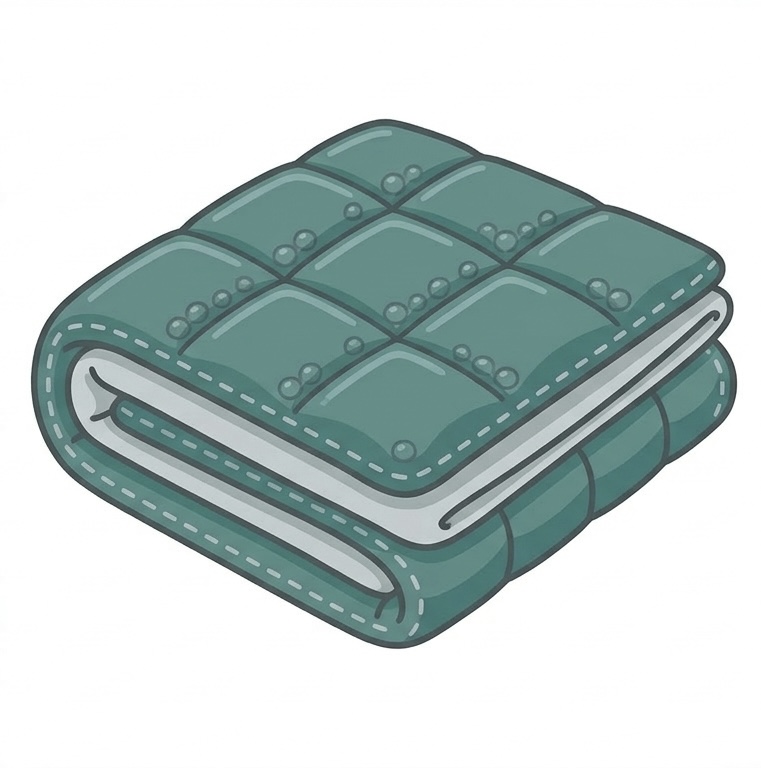
Sensory Owl is a brand many SEN families will already know. They also make our top-rated body sock. Their weighted lap pad is constructed from 100% cotton on top with a soft plushy minky underside, filled with glass beads distributed evenly through the pad. The 10% body weight guidance is printed on the listing, which is exactly what OTs recommend, reassuring to see from a brand aimed squarely at the SEN market. It comes in 2kg and 4kg options and five colour choices, so you can match it to your child's preferences or keep it neutral for school use. The cotton-and-minky combination is practical; cotton is breathable enough for longer use, and the minky underside adds a tactile softness that many sensory-seeking children love. Customers report it sitting well on the lap without sliding, which matters for restless children who'd otherwise be readjusting it every few minutes. A solid, specialist choice.
Pros
- Trusted SEN specialist brand
- OT-aligned 10% body weight guidance
- Glass beads in quilted pockets, even distribution
- Choice of 2kg or 4kg
- Soft minky underside, good for tactile seekers
- 5 colour options
Cons
- Higher price point than some alternatives
- No machine-washable outer cover: spot clean only
Check Price on Amazon →
#2
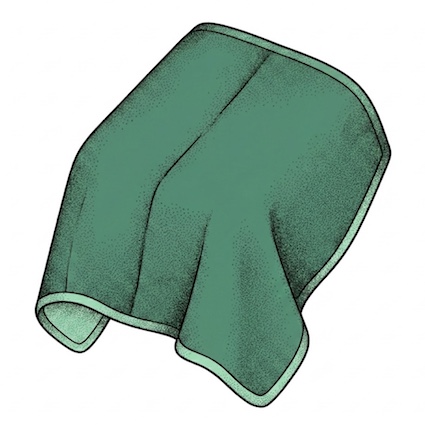
The Hugge is designed in Britain and uses Oeko-Tex certified minky fabric on the front and 350gsm cotton on the reverse. This means the materials have been tested and certified free from harmful substances, which matters for children who mouth things or have skin sensitivities. It's filled with food-contact-safe HDPE plastic pellets rather than glass beads. HDPE pellets are a reassuring choice for families with younger children where bead spillage is a concern, they're non-toxic, safe, and distribute the weight well. The pad comes in a kids size (40cm × 50cm) and an adult size (50cm × 65cm), which is useful if you want matching pads, or if you're a parent like me who ends up needing the sensory support just as much as the children. The listing includes a clear safety notice that the child must be able to remove the pad independently. Important for parents to understand. A well-considered, safety-conscious option with a UK provenance that's hard to argue with.
Pros
- Designed in Britain
- Oeko-Tex certified fabric
- Food-contact-safe HDPE pellets, no glass bead concerns
- Available in kids and adult sizes
- Clear safety guidance on the listing
Cons
- Limited colour options
- No novelty designs, not as engaging for younger children
Check Price on Amazon →
#3
If your child is the type who's more likely to use something if it comes in dinosaur form, the L'AGRATY lap pad is worth a look. It comes in animal shapes (dogs, dinosaurs, and unicorns) made from ultra-soft velvet fabric, with glass beads in quilted pockets for even weight distribution. The outer cover is machine washable and removable, which is a practical win for families who know that sensory tools end up in snack-related situations. Secure straps help hold the pad in position on the lap, which is useful for children who move a lot. A durable PVC storage bag with handles is included, making it easy to take to school or on car journeys. At 22 × 16 inches and 5lbs (approximately 2.3kg), it's a good size for primary school-aged children. The novelty factor matters here. A child who'd resist a plain pad may happily adopt the dinosaur one.
Pros
- Fun animal designs: engages reluctant users
- Machine-washable removable cover
- Secure straps to keep it in place
- Storage bag included: portable
- Glass beads in quilted pockets
Cons
- Higher price than some alternatives
- Novelty designs may attract more attention in school settings
- Velvet fabric may feel uncomfortable for touch-sensitive children
Check Price on Amazon →
#4
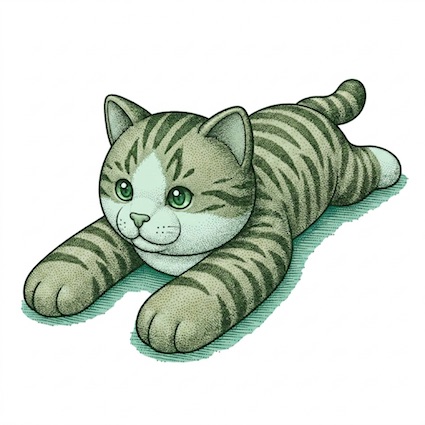
ODOXIA already appear on our sensory crash mats and body socks pages, and their weighted lap buddy is a strong entry in the animal-shaped category. This listing covers the dog design, but ODOXIA also sell the same format in cat and bear versions as separate listings. Worth checking if your child has a strong preference, as the animal shape affects whether they engage with it. The emotional support angle is baked into the concept: it looks like a companion rather than a piece of sensory equipment, which can make a real difference for children who feel self-conscious about using sensory tools in front of others. At roughly 40 × 53cm and 2.5kg, it provides solid deep pressure input across the lap and lower abdomen, and the listing cites occupational therapist recommendation for deep touch pressure (DTP), the same mechanism behind weighted blankets and body socks. The filling is removable for cleaning, and a carrying bag is included for school or travel use. At this price point it sits alongside the Sensory Owl and Hugge, so the decision comes down to format: if your child would rather have a weighted stuffed animal than a flat pad, this is the one to go for.
Pros
- Animal shape reduces stigma: feels like a companion, not equipment
- Available in dog, cat, and bear designs
- Removable filling for easy cleaning
- ODOXIA is a familiar, reliable brand in SEN circles
- Carrying bag included
Cons
- Each animal design is a separate listing: requires a bit of searching
- Novelty shape may attract more attention in school settings
- No plain or neutral option in this range
Check Price on Amazon →
#5
The Solfres has the highest star rating on this page (4.9 out of 5), which deserves a mention even though it sits at number five. It's placed here not because of quality concerns but because it's more of a general travel lap blanket than a specialist sensory tool: the listing doesn't specifically reference occupational therapy, SEN use, or deep pressure input in the way the top picks do. But the practical features are strong. The galaxy design is appealing to many children, the outer cover is machine washable and removable with six internal ties to keep it securely attached, and the square quilted construction is designed to prevent the fill from shifting to one side. At 58 × 51cm it's slightly larger than some alternatives. Good for a child who'd enjoy the space theme and needs a portable option, but if you're specifically looking for a SEN-focused tool with OT backing, the Sensory Owl or Hugge are better starting points. Not suitable for under-3s.
Pros
- Highest-rated option on this page
- Machine-washable removable cover
- Square design prevents fill from shifting
- Appealing galaxy design
- Good price for the size
Cons
- Not marketed as a specialist SEN tool
- No OT guidance on weight-to-body-weight ratio
- Less SEN-specific than the top two picks
Check Price on Amazon →
Frequently asked questions
The questions parents ask us most about weighted lap pads.
What weight lap pad should I choose for my child?
The general occupational therapist guideline is to use a weighted item that is around 10% of the child's body weight. For lap pads specifically, most options come in 2kg or 5lb (around 2.3kg) weights, which suits most primary school-aged children. If your child has an OT, always check with them first. They may have a specific recommendation based on your child's sensory profile. Heavier is not always better: too much weight can feel restrictive rather than calming.
Can my child use a weighted lap pad at school?
Many SENCOs are happy for children to use weighted lap pads at their desk, particularly if it's been recommended by an occupational therapist. A letter or report from an OT explaining the purpose can help if there's any uncertainty. Discreet options (plain colours, non-novelty designs) tend to attract less attention from classmates. The Hugge and Sensory Owl pads are particularly well-suited to school use. For more durable provision, lap-pad use can be written into a child's
EHCP or SEN support plan.
How is a weighted lap pad different from a weighted blanket?
A weighted lap pad is smaller and designed to sit across the lap during seated activities, at a desk, in the car, or on the sofa. A
weighted blanket covers the whole body and is typically used at rest or sleep time. Lap pads provide targeted deep pressure input to the legs and lower body during the day, whereas blankets are more about full-body proprioceptive input at night. Many families use both for different purposes.
Are weighted lap pads safe for children?
Weighted lap pads are generally considered safe for children aged 3 and over when used correctly. The key safety point: the child must be able to remove the lap pad themselves. It should never be fastened or secured to a child who cannot independently take it off, as this poses a risk. Always supervise young children and follow the manufacturer's age and weight guidance. If your child has any medical conditions affecting mobility or breathing, check with your GP or OT before use.
Do weighted lap pads actually help with focus and sensory regulation?
Occupational therapists use deep pressure input, the sensation provided by weighted items — as part of sensory diets to help children who are sensory seeking or struggling to regulate. Weighted lap pads deliver this input to the legs during seated tasks. Many parents report improvements in the ability to sit and focus, particularly in children with
ADHD and autism. Results vary by child, and a lap pad works best as one part of a broader
sensory diet rather than a standalone solution.
What filling is best — glass beads or plastic pellets?
Both work well, but there are differences. Glass beads distribute weight more evenly and tend to create a smoother, quieter pad. Plastic pellets (HDPE) are also non-toxic and can be a safer choice for younger children if there's any concern about bead spillage. The Sensory Owl pad uses glass beads quilted into pockets for even distribution; the Hugge uses HDPE plastic pellets with Oeko-Tex certified fabric. Both are good options. It comes down to personal preference and any specific guidance from your child's OT.