Sensory Sorted Review
Best Ear Defenders for Autistic & Sensory Children
Our top 5 picks, from the Alpine Muffy Kids to specialist baby defenders. For every age and situation.
Both can help a noise-sensitive child, but they work differently and suit different situations. Here's how to choose, and why the answer is often both.
I'm a parent, not an audiologist or OT. This is based on my own experience with two noise-sensitive children and on published information from product manufacturers and sensory specialists. If your child has significant hearing sensitivity, your GP or OT can advise on the most appropriate type of protection for their specific needs.
When Ella was small, the answer was easy: ear defenders. She was four, she was hypersensitive to sound, and the big padded cups over her ears were the only thing that made the supermarket survivable. Simple.
By the time she was seven, it wasn't simple anymore. She didn't want to wear them at school. They drew attention. Other children asked questions. She'd rather be overwhelmed than different. That's when I started researching earplugs properly, and realised they're a genuinely different thing, not just a smaller version of the same solution.
This guide is for parents at exactly that decision point. Or earlier, because if I'd understood the difference sooner, I might have introduced earplugs earlier and made life easier for both of us.
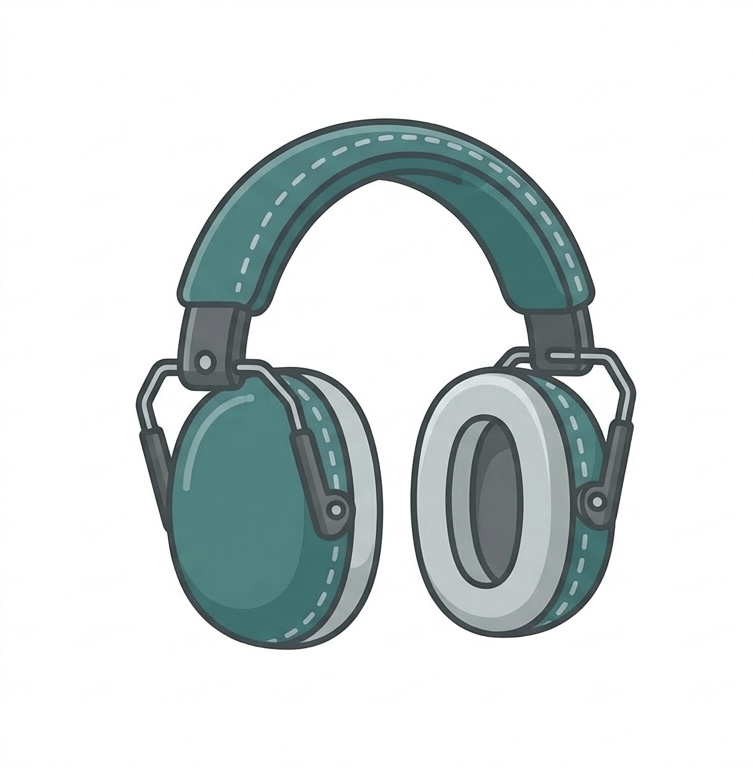
Ear defenders block sound by creating a physical seal over the entire outer ear. The soft cushioned cups press against the sides of the head, and the enclosed space means almost nothing gets through except at a reduced level. They work passively, no batteries, no technology, just physics.
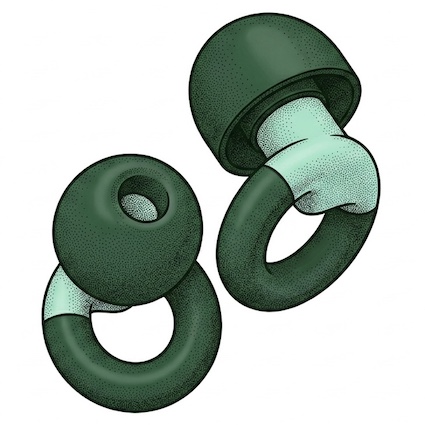
Most earplugs also block sound, but by sitting inside the ear canal and physically dampening what enters. However, and this is important — some modern earplugs filter sound rather than simply block it. Filter-based earplugs like the Loop Engage Kids use an internal acoustic channel that reduces overall volume while preserving the clarity of speech. This means your child can still hear and understand people talking to them, even with the earplugs in.
That distinction (blocking versus filtering) is the most important thing to understand when choosing between the two.
Traditional foam earplugs (the cheap disposable kind) block sound indiscriminately. They're designed for industrial noise protection, not for children in a classroom or a supermarket who still need to hear the people around them.
The children's earplugs reviewed on this site are different. They're designed specifically to reduce the overall level of noise while keeping communication possible.
| Factor | 🎧 Ear Defenders | 🎵 Earplugs |
|---|---|---|
| How they work | Over-ear cups create a seal that blocks sound | Sit in the ear canal; block or filter depending on type |
| Noise reduction | High, typically 24–30 dB SNR | Varies, 16–26 dB depending on type and fit |
| Speech clarity | Muffles voices noticeably | Filter types preserve speech well |
| Minimum age | From birth (specialist products) | Generally 5–6 years old |
| Discretion | Very visible (announces itself) | Near-invisible, especially clear/small designs |
| School use | Works well but visible. Some children self-conscious | Ideal: discreet, filter types allow participation |
| Events & fireworks | Excellent (maximum protection) | May not be sufficient for very loud environments |
| Portability | Bulky (need to be carried or worn) | Pocket-sized, keychain case available |
| Fitting | Easy (adjustable headband) | Needs correct ear tip size for good seal |
| Acceptance by child | Good for younger children; older children sometimes resist | Often better accepted by older children |
| Price range | ~£15–32 for quality options | ~£8–35 depending on brand |
"We ended up with both in our house, used for completely different things. Ear defenders come out for fireworks, school assemblies, and anything we know in advance will be loud. Earplugs live in Ella's school bag for every other day. The fact that she'll actually wear the earplugs makes them more useful than the ear defenders for school, the best hearing protection is the one your child will agree to put on."
Most hearing protection products list a number in decibels (dB), usually labelled SNR (Single Number Rating) in Europe, or NRR (Noise Reduction Rating) in the US. They measure the same thing: how much quieter the world will be when wearing the protection.
A simple way to think about it: the average classroom registers around 65–75 dB. A fireworks display can reach 140–160 dB at close range. Hearing damage begins around 85 dB for prolonged exposure.
A 25 dB SNR product doesn't make a 100 dB environment completely silent. It makes it sound like about 75 dB, which is noticeably quieter but still audible. For sensory children, even that reduction in intensity can make an overwhelming environment manageable.
For everyday sensory management in schools and public spaces, 16–20 dB is usually plenty. It's enough to reduce the intensity of background noise without creating total isolation.
For very loud environments like concerts, fireworks, or sports events, you want 25–30 dB, which typically means ear defenders rather than earplugs.
This is one area where the guidance is clear: earplugs are not suitable for children under 5. Most children's earplug ranges start from age 5 or 6. This is partly about the choking risk from small parts, and partly about ear canal size, earplugs need a good seal to work, and young children's ear canals are simply too small for most adult or even children's earplug designs to fit correctly.
Ear defenders, by contrast, can be used from birth with the right product. Alpine make a specific baby ear defender (the Muffy Baby Comfort) designed not to put pressure on the soft spot on a newborn's head. For toddlers and preschoolers, ear defenders are essentially the only option.
For older children, roughly 7 and up, the self-consciousness factor starts to weigh heavily. Many children this age will flatly refuse to wear ear defenders to school because of how they look. If that's where you are, it's worth trying earplugs specifically designed to be discreet.
Both ear defenders and earplugs can be included in a child's SEND support plan or EHCP as a reasonable adjustment. You don't need to fight for this, sensory accommodations are well-established in UK education law.
In practice, most schools accept hearing protection without any formal documentation, especially if you introduce it via the school's SENCO. A letter from your child's OT or paediatrician, if you have access to one can strengthen the case if there's any resistance, but in my experience it's rarely needed for discreet options.
The bigger battle is usually with the child, not the school. For older children, earplugs win on discretion every time.
The things people ask me most when making this decision.