Sensory floor tiles are one of those categories where the useful options are far apart from the cheap novelty ones, and it's not always obvious from a listing which is which. The premise is simple: give the soles of the feet varied input, and a child gets proprioceptive feedback simply by walking across the floor. Liquid tiles add a visual layer on top of that. Jude, who has ADHD and is squarely a sensory seeker, can spend twenty minutes pressing and stepping on a six-tile path; Ella, who is cautious about new textures, surprised us by engaging with the animal-themed pads more readily than I'd predicted. I'm a parent and not a paediatric OT, but a small sensory floor area in the bedroom corner has earned its keep with both children, in different ways. The five sets below cover the full range, from professional-grade liquid tiles down to budget tactile mats worth experimenting with.
Our top 5 picks, from premium liquid tiles to multi-texture tactile mat sets for every sensory need and budget.
⭐ #1 Best Overall
MagicMeadow are a UK-based family company that specialise specifically in special needs toys, and it shows. These liquid floor tiles are the kind of thing you see in school sensory rooms and therapy settings, now available for home use. Each tile contains coloured liquid or gel that moves and responds as your child stands, walks, or presses down on it, providing simultaneous visual and proprioceptive input that's genuinely hard to replicate with anything else. The vibrant colours and slow, mesmerising liquid movement make them compelling for sensory seekers and children who are visually stimulated. Jude would happily spend twenty minutes just pressing and stepping on these, which makes them a useful tool in his sensory diet, particularly on days where he needs something absorbing but contained. They're built for durability and active use, and the UK-brand backing gives me more confidence in quality control than some imported alternatives. The set of 6 creates a decent-sized floor path. Higher price point than the foam options, but this is professional-grade sensory equipment for home use.
Pros
- Trusted UK SEN specialist brand
- Compelling visual and proprioceptive input combined
- Durable, designed for active SEN use
- Compelling for sensory seekers and visual stimulation
- Works well in sensory rooms, bedrooms, or play areas
Cons
- Higher price point
- Liquid tiles require periodic inspection for damage
- Colour options limited to what's in the set
Check Price on Amazon →
#2
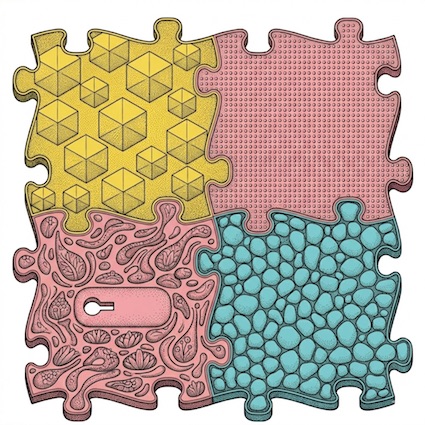
MUFFIK have been quietly establishing themselves as the premium end of the sensory mat market. These are physiotherapist-designed, safety-certified in over 40 countries, and built with a specific developmental philosophy behind them. The set mixes firm and soft tiles with 3D elevated surfaces, meaning children get varied proprioceptive feedback depending on which tile they're standing on. Standing on a raised, textured surface engages the ankles, knees, and core in a way that a flat foam mat simply doesn't, making these therapeutic, not just stimulating. The rainbow colourway helps with colour recognition as a bonus. Each tile interlocks with others in the MUFFIK 25x25cm range, so you can expand the set over time without buying a whole new pack. Made from PVC but certified BPA and phthalate-free. These are an investment, but they hold up well and work across a much wider age and ability range than simpler mats. Good for children who need proprioceptive support but who might find the visual busyness of some other options overwhelming.
Pros
- Physiotherapist-designed for genuine developmental benefit
- Mix of firm and soft tiles: varied proprioceptive input
- Expandable with other MUFFIK sets
- Tested and certified safe in 40+ countries
- Durable for long-term use
Cons
- High price point
- PVC material (though certified safe)
- Some children may not engage with the more subtle texture differences
Check Price on Amazon →
#3
ORTO Nature's mats take a similar approach to MUFFIK: interlocking puzzle tiles with varied textures, but with nature-themed designs featuring hedgehogs, animals, and seasonal patterns that tend to be particularly appealing to younger children. The combined surface of 8 tiles covers 100 x 50 cm, which gives a good walkable path. They're designed to be used indoors or outdoors, which adds flexibility, useful for garden sensory areas in summer. The textured surfaces are designed to stimulate the soles of the feet specifically, which links into reflexology principles and can be regulating for children who are barefoot seekers. Like MUFFIK, these are compatible with other 25x25cm sets in the ORTO Nature range, so you can build out a larger path over time. BPA and phthalate-free certified. A slightly more affordable alternative to MUFFIK with a similar therapeutic intent and comparable build quality.
Pros
- Appealing animal and nature designs for younger children
- Indoor and outdoor use
- Expandable with other ORTO Nature sets
- BPA and phthalate-free
- Solid coverage for a sensory path
Cons
- Smaller combined coverage than some sets
- Designs may not appeal to older children
- Less variety in texture intensity compared to MUFFIK
Check Price on Amazon →
#4
If you want maximum variety at a budget-friendly price, the Joyreal set is hard to beat for sheer piece count. Fifteen pieces across three formats: rectangular floor tiles, square mats, and sensory bean bags — plus a storage bag, all for around £25. The different textures across the mats encourage tactile exploration and help children distinguish between different sensory inputs, which is useful both as play and as a gentle desensitisation tool for children who are tactile-avoidant. Metal collars are included so mats can be hung on the wall as well as used on the floor, making this one of the few options here that works as a sensory wall panel too. The non-slip backing works well on hard floors. This is the set I'd suggest for families who want to experiment with sensory floor tiles without a significant financial commitment. You get a good range of textures and formats to see what your child responds to before potentially investing in something more specialist.
Pros
- Excellent value for money: 15 pieces
- Three different formats in one set
- Wall-mountable option included
- Non-slip backing
- Storage bag included, easy to pack away
- Good entry-level set for trialling sensory tiles
Cons
- Fabric-based mats: spot clean only
- Less durable than hard tile options
- Textures are more subtle than premium sets
Check Price on Amazon →
#5
These animal-themed sensory pads are a solid budget option for younger children, particularly those who enjoy nature and animals alongside their tactile exploration. Twelve pads with varied textures, made from food-grade safe non-toxic materials, which is reassuring for families of children who mouth objects or who have sensory needs around food and oral sensory input. The realistic animal textures: feathery, scaly, smooth, bumpy are designed to feel connected to actual animals rather than being purely abstract, which can make the experience more meaningful and engaging for children who respond well to themed play. Wipe-clean surface makes these practical for daily use. At this price point they're a good add-on to a sensory corner, or a first purchase to test how your child engages with tactile mats before committing to a larger set. Ella, who is usually cautious about new textures responded well to these because the animal framing gave her something to focus on beyond the texture itself.
Pros
- Very affordable, good entry-level option
- Animal theme engages younger children
- Food-grade safe, non-toxic materials
- Easy wipe-clean surface
- 12 pieces, good variety
Cons
- Less suitable for older children or sensory seekers needing intense input
- Smaller individual pad size
- Textures less varied than premium sets
Check Price on Amazon →
Frequently asked questions
The questions parents ask us most about sensory floor tiles.
Are sensory floor tiles safe for children?
Most sensory floor tiles sold in the UK are made from BPA-free, phthalate-free materials and are designed to be safe for children. Always check that the product carries relevant safety certifications (CE marking, EN71 toy safety standard, or Oeko-Tex for fabric-based options). Liquid tiles should be inspected regularly for leaks, if a tile is damaged, take it out of use until it can be replaced. Foam and rubber tiles should be non-slip on the underside. Supervise young children, especially during initial use.
What is the difference between liquid sensory tiles and tactile sensory mats?
Liquid tiles are hard plastic tiles filled with coloured gel or liquid, designed to respond visually to pressure. Step on them and the liquid squishes and moves. They're primarily a visual and proprioceptive experience. Tactile sensory mats are fabric or foam-based and focus on texture variety: different surfaces for children to touch and stand on. Some sets, like the Joyreal, combine both tactile mats and sensory bean bags. Liquid tiles tend to suit sensory rooms and floor-based play; tactile mats work well stuck to walls too.
How many tiles do I need to create a sensory path at home?
It depends on the space and what you want to achieve. For a simple sensory path or stepping-stone layout, 6–8 tiles is a good starting point, which is why most sets come in packs of 6 or 8. If you want to cover a larger area as a continuous floor surface, you'll need more. Interlocking puzzle-style tiles like the ORTO Nature and MUFFIK sets can be extended over time by purchasing additional packs. Start small and see how your child engages before committing to a large installation.
Can sensory floor tiles go in a child's bedroom?
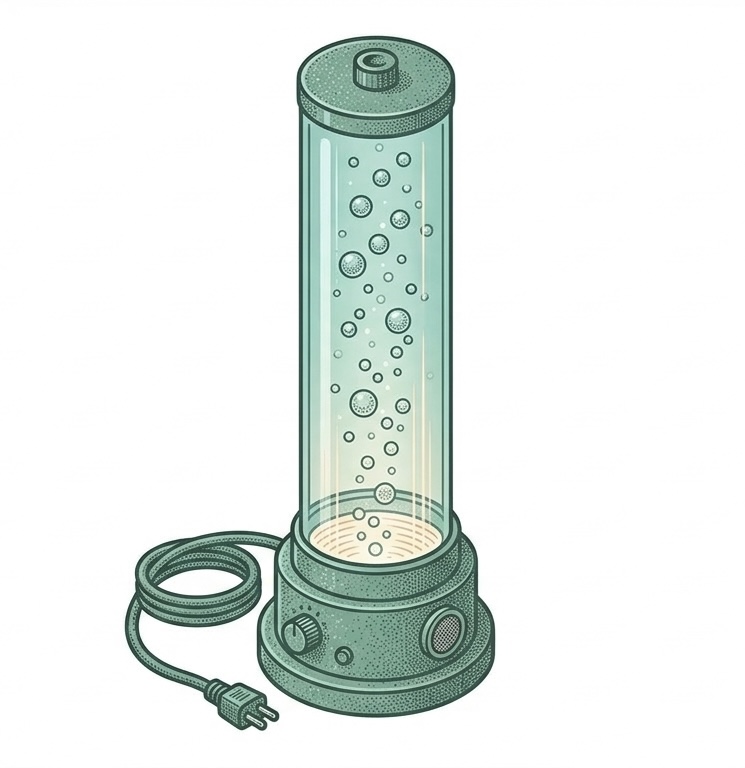
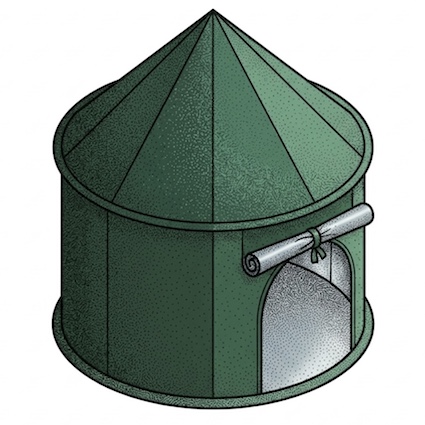
Yes, and for many families the bedroom is the ideal location: it's a space your child can access independently, and having calming sensory input available before sleep or during quiet time can be really helpful. Liquid tiles that light up or glow in low light are particularly effective in a bedroom sensory corner, especially when paired with
other plug-in sensory lighting or set up inside a
sensory tent for an immersive calm-down space. Tactile mats and interlocking puzzle tiles work well as bedside flooring. Check that tiles are non-slip on your floor type before use. Some tiles perform better on carpet than hard floors.
Are sensory floor tiles easy to clean?
Generally, yes. Hard plastic liquid tiles wipe clean easily with a damp cloth. Foam and rubber interlocking tiles can be wiped down and many are water-resistant. Fabric-based tactile mats are usually spot-clean only, though some have removable, washable covers. Bean bags (included in some tactile mat sets) may not be machine washable. Always check the manufacturer's cleaning guidance before buying if this is a priority. It matters a lot for daily sensory room use.
Do sensory floor tiles stay in place on hard floors?
Most interlocking puzzle-style tiles lock together and create a stable surface. Individual tiles and mats vary. Look for non-slip backing specifically if you're placing them on laminate, wood, or tile floors. Liquid tiles in particular can shift if a child steps on the edge rather than the centre, so a non-slip underlay or mat gripper tape underneath can help. On carpet, most tiles sit more securely without any additional fixing.