Sensory Sorted Review
Best Sensory Tents and Dens for Children
Five options from pop-up dens to blackout canopies, with guidance on size, light control and where to put them.
Almost every sensory space I have seen in a real UK home is a corner, not a room. Here is how to build one that actually gets used, and which pieces are worth buying first.
I'm a parent, not an occupational therapist. Ella is 7, autistic, and hypersensitive to noise and touch. Jude is 9, has ADHD, and seeks input constantly. They want close to opposite things from a sensory space, which is most of the reason I ended up with two small setups rather than one room. If your child has complex needs, a paediatric OT can tell you which kinds of input to build around.
Search for sensory rooms and you will find softly lit suites with fibre optic curtains, projection walls and padded flooring throughout. Almost nobody has that at home. What most families have is a corner of a bedroom, an alcove under the stairs, or one end of a living room that quietly accumulated the things that helped.
I think that is the better version anyway. A space earns its place because it sits near where your child comes undone, because they can get into it without asking permission, and because it holds the three or four things they reach for over and over. A beautifully finished room at the far end of the house fails all three of those tests, and it fails them expensively.
So this guide is about the thinking rather than the shopping list, with my current top pick from each category linked through where it is useful. If you want the full comparison for any one item, the review page is one tap away.
The costly mistake in this category is buying first and working out the purpose afterwards. Sensory equipment is not generically calming. A crash mat that regulates one child will wind another one up past the point of return, and a dim, quiet den that settles Ella does very little for Jude except bore him.
The question to answer before you spend anything is whether your child is mostly seeking input or mostly avoiding it, and in which senses. Most children do some of both, and the pattern often shifts across the day. Jude seeks movement and pressure but avoids certain textures. Ella avoids noise and touch but will happily spin. If that distinction is new, what sensory processing difficulties actually are is the place to start, and proprioception and the vestibular sense covers the two systems most home setups are built around.
Three questions to answer before you buy anything:
1. When does it go wrong? After school, at bedtime, during homework, on the way out of the door. The timing tells you where the space needs to be.
2. What does your child already do to regulate? Crashing into the sofa, hiding under a duvet, chewing a sleeve, rocking on a chair. Those are instructions, and they are free.
3. What actually sends them over the edge? Noise, light, texture, or too much happening at once. Removing that is usually cheaper than adding anything.
If your child is heading into an assessment or you want the pattern written down properly, my Sensory Profile and Communication Passport gives you a structured way to record what helps and what does not, one sense at a time. It is the document I wish I had filled in two years before I did.
Once you can describe the pattern, a home space is really just a sensory diet with somewhere to put it.
Whatever the size of the space, it is doing some combination of five things. Very few homes need all five, and almost nobody needs all five in the same square metre.
Somewhere to lower the volume of everything at once. Enclosed, dim, and predictable. The single most useful zone for a child who tips into overwhelm.
Somewhere to crash, bounce, push and spin. This is the zone that stops a seeker using the furniture and their sibling as equipment.
Slow, repetitive visual movement that holds attention without demanding anything back. Useful for winding down rather than switching off.
Either covering unpredictable household noise or cutting it out altogether. The cheapest zone to build, and often the one with the biggest effect.
The working end: a seat that allows movement, something for the hands, and a clear signal of how long this lasts. Homework lives here.
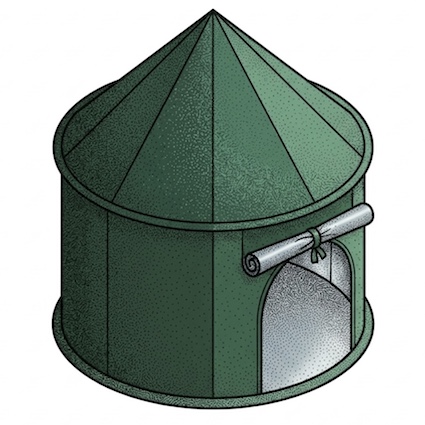
If you build one thing, build this. An enclosed space with soft walls and low light does the work of everything else combined, because it removes input rather than adding it. Ella's is a pop-up den in the corner of her bedroom with a folded duvet in the base, and it has defused more evenings than anything else I own.
My top pick in this category is the ODOXIA Pop-Up Sensory Den at around £38, which is the size most rooms can absorb. A weighted blanket inside it turns the den from a hiding place into a properly regulating one, and for younger children a weighted plush is a gentler way in. The rule I would keep is that nobody follows them in, including you, unless invited.
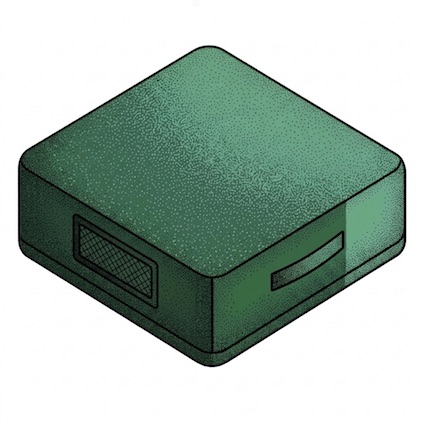
This is the zone Jude uses most, and the one that quietly protects the sofa. Deep pressure and hard physical effort are regulating for seekers in a way that no amount of sitting quietly ever manages, and giving that a designated place stops it happening on the stairs.
The cheapest useful entry is a peanut ball at around £20, which takes up almost no space and covers bouncing, rolling and pushing. If you have floor room, a crash pad is the item that changes the most: my top pick is the SaferBounce Sensory Crash Pad at around £100. Beyond that, a mini trampoline at around £60 or a spinning chair at around £80 covers the vestibular side, and a body sock gives whole-body resistance for about £35. A set of stepping stones is another low-footprint option, useful for building a wobbly path across the room for stepping, balancing and jumping games.
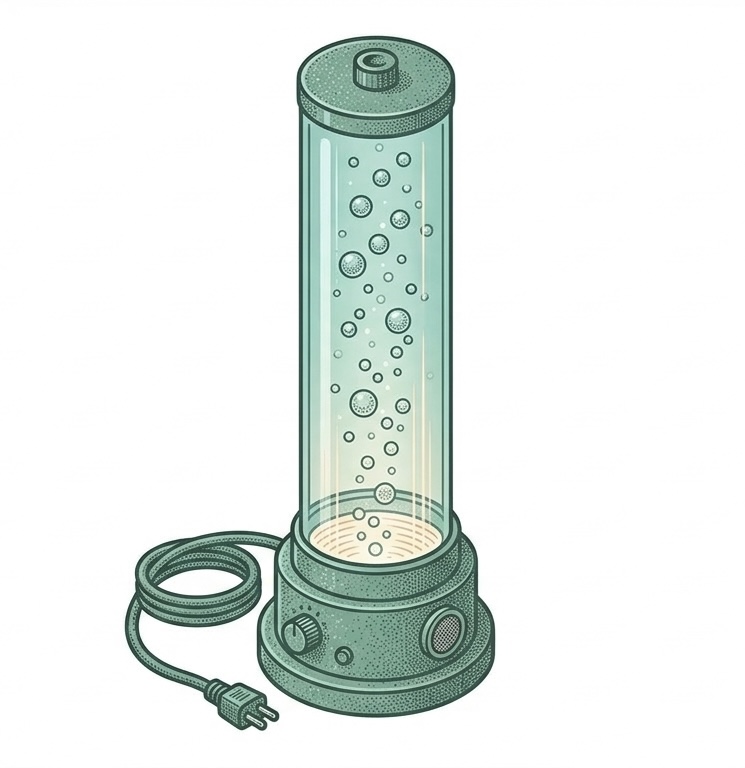
Slow visual movement is the piece people picture when they imagine a sensory room, and it is genuinely useful, but it is worth being honest about what it does. It helps a child wind down and hold still. It will not bring anyone back from full sensory overload, and a bright, fast, colour-changing light can make that worse.
One good bubble lamp does most of the work. Mine is the Straame 90cm Bubble Fish Lamp at around £25. If you want handheld items for younger children, a light-up toy set covers that for about £20. Whatever you choose, being able to dim it matters more than the number of colour modes.
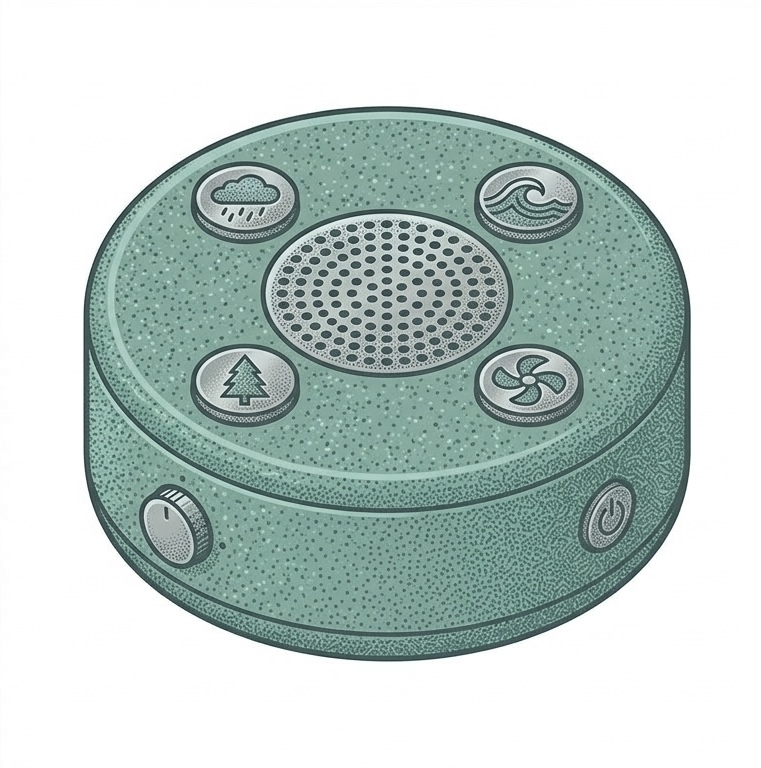
The cheapest zone to build and, for a noise-sensitive child, frequently the most important. There are two separate problems here. Unpredictable household noise is best covered, which is what a white noise machine does. Sudden or overwhelming noise is best blocked, which is what ear defenders do.
My top pick for covering is the Zello White Noise Machine at around £25, and for blocking, the Alpine Muffy Kids ear defenders at around £21. Keeping a pair inside the retreat space rather than in a bag by the door is a small change that makes them get used.
If homework is where your evenings fall apart, this zone pays for itself faster than any of the others. A wobble cushion at around £20 allows movement while seated, a weighted lap pad at around £44 provides pressure without anything visible, and therapy putty or a quiet fidget toy gives the hands somewhere to go for £15 to £17.
The item I would not skip is a visual timer. Knowing that this lasts fifteen minutes and being able to see it shrinking is worth more to an anxious child than any amount of reassurance from me.
Flooring is the last thing to buy and the first thing people plan. A rug you already own is fine for almost everything. Sensory floor tiles at around £60 make sense when the space is properly being used for movement, or when you want tactile input built into the surface rather than added on top.
These are rough builds rather than prescriptions, and the prices move. Buy one column at a time and give it a few weeks before adding the next, because what your child settles on will not be what you expected.
| Starter, around £100 | Fuller, around £300 | Complete, around £600 | |
|---|---|---|---|
| Retreat | Pop-up den | Den plus weighted blanket | Den, blanket, weighted plush |
| Movement | Peanut ball | Peanut ball plus crash pad | Add trampoline or spinning chair |
| Light | One bubble lamp | Bubble lamp | Lamp plus light-up set or panels |
| Sound | Ear defenders | Ear defenders plus white noise | Ear defenders plus white noise |
| Focus | Not yet | Wobble cushion plus putty | Add lap pad and visual timer |
| Floor | A rug you own | A rug you own | Sensory floor tiles |
| Roughly | £105 | £300 | £600 |
Very little of this needs to be permanent. A pop-up den folds flat. A crash pad doubles as floor seating. A bubble lamp sits on a shelf. Nothing above requires drilling into a wall, which matters if you are renting or might move.
Where two children share a room, the honest answer is usually to build two smaller setups rather than one shared one. A seeker who needs to crash and an avoider who needs quiet will compete for the same square metre and both lose. Two corners in different rooms, each holding two or three items, tends to work better and costs less than people assume.
If space is very tight, prioritise in this order: somewhere enclosed, something for sound, something for movement. Light comes last, however good it looks.
Weight. Weighted blankets, lap pads and plush should be around 10% of your child's body weight, and a child must be able to remove them without help. Never use a weighted item on a child who cannot reposition themselves independently.
Trampolines and spinning. Supervised, on a flat surface, with clear space around them. Spinning in particular should follow the child's lead and stop when they say so, because it is easy to overshoot into nausea and dysregulation.
Enclosed spaces. A den needs to be openable from inside, always. It is a place they choose to be, not a place they are contained.
Cables and lights. Keep flexes out of the crawling and crashing zone, and check that anything left on overnight is rated for it.
Wall-mounted fibre optic installations and projection systems look wonderful and are hard to justify at home, partly on cost and partly because they fix the equipment in one room. Anything that requires drilling should earn it.
I would also skip buying a full set of anything at the start. Sensory equipment is unusually personal, and the item you were most confident about is often the one that sits unused. Three things in daily use will do more for your child than twelve sitting in a box.
This is the part that decides whether any of it works. A regulation space has to be freely entered and freely left. The moment it becomes somewhere a child is sent when behaviour goes wrong, it stops being a place they choose, and you have spent a few hundred pounds on a very comfortable time-out step.
Two things have helped here. The first is keeping the space slightly boring: no screens, nothing with a scoring system, nothing that turns it into an activity. The second is not talking to them while they are in it unless they start. Both are harder than they sound, and both took me a while.
It also helps to know what you are watching for. A child heading into a meltdown or a shutdown needs the space before the point of no return, not after, and if the pattern is reliably at four in the afternoon then after-school restraint collapse is probably what you are dealing with, in which case the space wants to be near the front door rather than upstairs.
Start with one corner and two items. Watch what gets used. Add the next thing in a month.
The things that come up whenever this subject appears in a SEN parents group.