Related Guide
What Is Sensory Processing Disorder?
Understanding the eight senses, hyper- and hyposensitivity, and what SPD actually looks like day to day.
If your child has just been diagnosed (or you suspect they might be), here's the kit I'd put together for a friend starting from scratch. Eight items, drawn from years of buying the wrong things first.
I'm not an expert; I'm a parent who has bought a lot of sensory equipment, much of it wrong. This page is the kit I'd put together for a friend in the early days. It's not a substitute for occupational therapy assessment, and your child's individual sensory profile may mean different items help more. Use this as a starting point, not a finished plan.
When Ella was first diagnosed, the OT handed me a one-page leaflet and a six-month waiting list. I went home, opened my laptop, and bought £180 of "sensory toys" that mostly ended up in a charity bag eighteen months later.
This page is what I wish I'd had then. Eight items I'd buy first if I were starting today, chosen because they work across both sensory profiles (seekers like Jude and avoiders like Ella) and because they earn their place in our house every week. They cover the main sensory needs: noise regulation, deep pressure, movement, oral input, fine motor, and a calm-down space. Most parents won't need everything on this list. But if you're staring at a list of recommendations and don't know where to start, this is where I'd start.
You don't need everything at once. Most families build a kit like this over six to twelve months, not in one shop. Pick two or three items that match what you're seeing day to day. Live with them for a few weeks. Then add more if it helps.
If you're trying to understand your child's sensory profile before you buy anything, my guide to sensory processing disorder is the place to start.
I've put together a two-page printable version of this guide — the eight tools, what each one does, and rough price ranges — so you can keep it handy or share it with school. Free, no strings. And if you also want to document your child's full sensory profile in a form you can share with school or a new setting, my Sensory Profile and Communication Passport covers all seven sensory areas in one page.
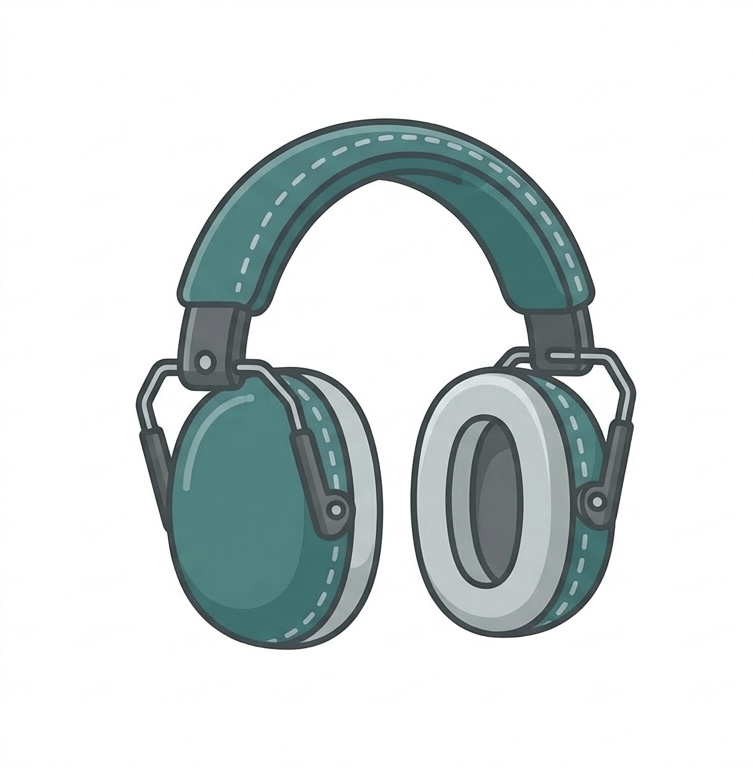
If noise is part of the picture (and for most sensory children it is), this is the single most useful first purchase.
Hand dryers, supermarkets, school assemblies, fireworks, the hoover. Ear defenders give your child a portable volume control on a world that's often too loud. Ella's first pair lived permanently in my handbag for about a year, and they're still in there now. They're the one item I'd genuinely recommend before a diagnosis is even confirmed.
See my ear defender picks
A gentler entry point into deep pressure than a full weighted blanket, and far more versatile.
A lap pad sits across the legs at the dinner table, in the car, on the sofa, at school. The weight (typically 1–2.5kg) provides calming proprioceptive input without the commitment or expense of a full blanket. We bought ours for the car after a series of supermarket-trip meltdowns. The change in Ella's ability to cope with car journeys was the first time a sensory tool genuinely surprised me.
See my weighted lap pad picks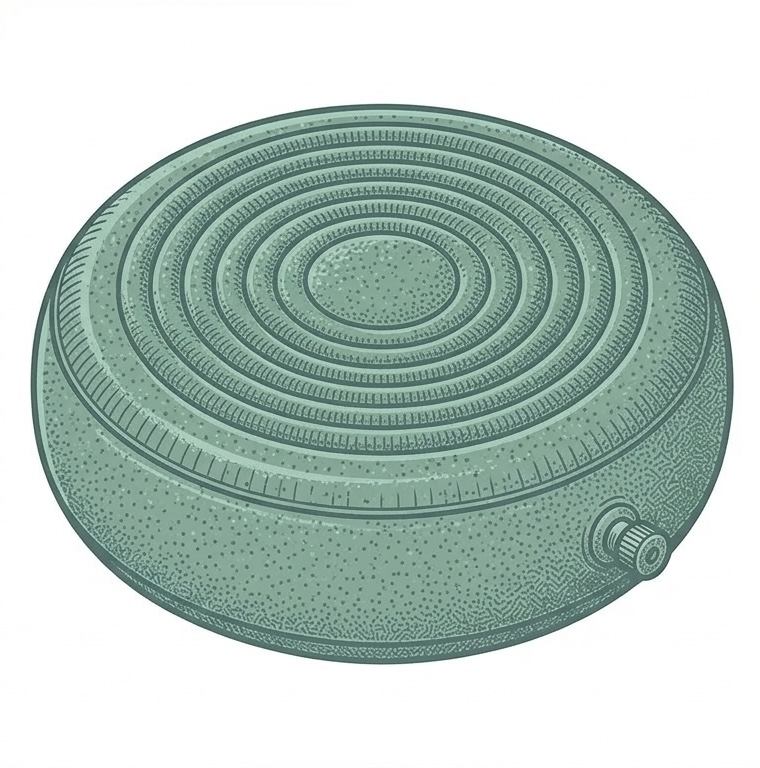
The single most school-friendly item on this list, and the one most likely to be allowed in a classroom.
A wobble cushion lets a child get vestibular and proprioceptive input while sitting still, which sounds like a contradiction but is exactly why they work. Jude's classroom uses one, and his teacher noticed within a fortnight that he was finishing more written work. They're cheap, undemanding, and a strong first ask of a school SENCO. Worth pairing with a read of proprioception and the vestibular sense if these terms are new to you.
See my wobble cushion picks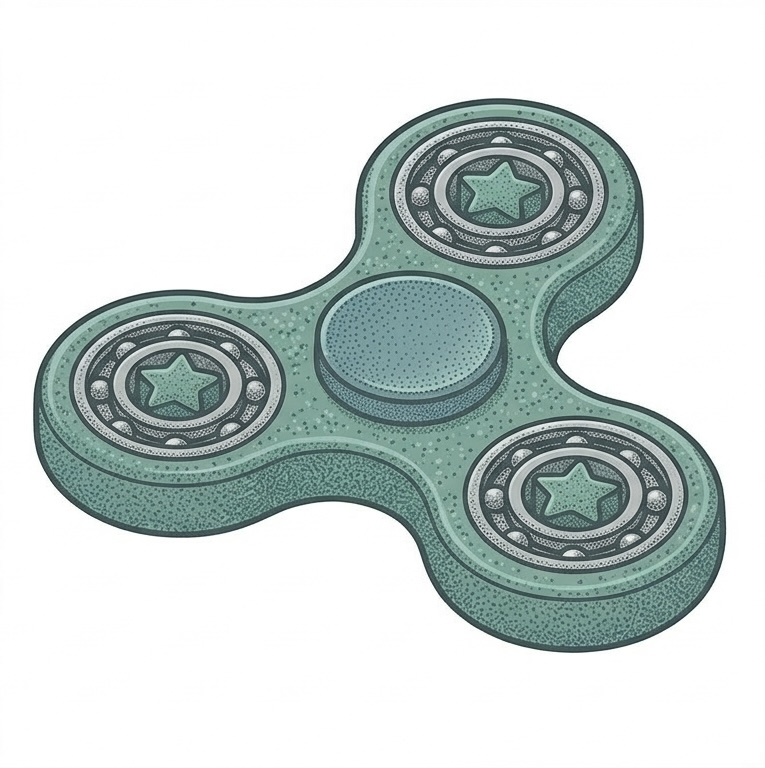
Hands-busy regulation is the cheapest sensory intervention there is, and a small starter set lets you find what works.
Some children take to a tangle, others to a Pop-It, others to a stretchy thinking putty. A starter pack of mixed fidgets lets you discover your child's preference without committing to one thing. The ones that don't get used can go in a school bag or a glove box for emergencies. Avoid noisy ones if school use is the goal.
See my fidget toy picks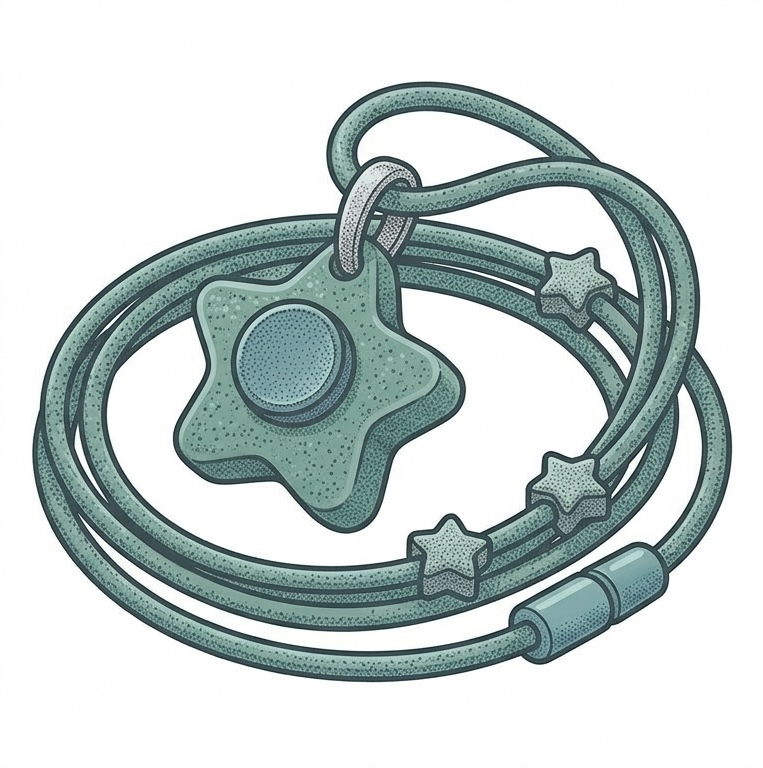
If your child chews sleeves, collars, pencils, or their own fingers, a chew necklace is the safe, discreet alternative.
Oral seeking is one of the most-overlooked sensory needs in newly-diagnosed families, partly because it gets framed as a behaviour problem rather than a sensory one. A chew necklace gives the child a designated, safe, dishwasher-proof outlet. Cheap, low-stakes, and often life-changing for the right child. If feeding is also part of the picture, my guide to sensory food issues may help.
See my chew necklace picks
OT-recommended, calming, and one of the few sensory tools that genuinely builds something useful (hand strength) at the same time.
Therapy putty is what occupational therapists actually use in clinic, and it comes in different resistance levels so you can match the strength of your child's hands. It's quiet enough for school, durable, and unlike kinetic sand it doesn't migrate across the entire house. A small tub lasts months.
See my therapy putty picks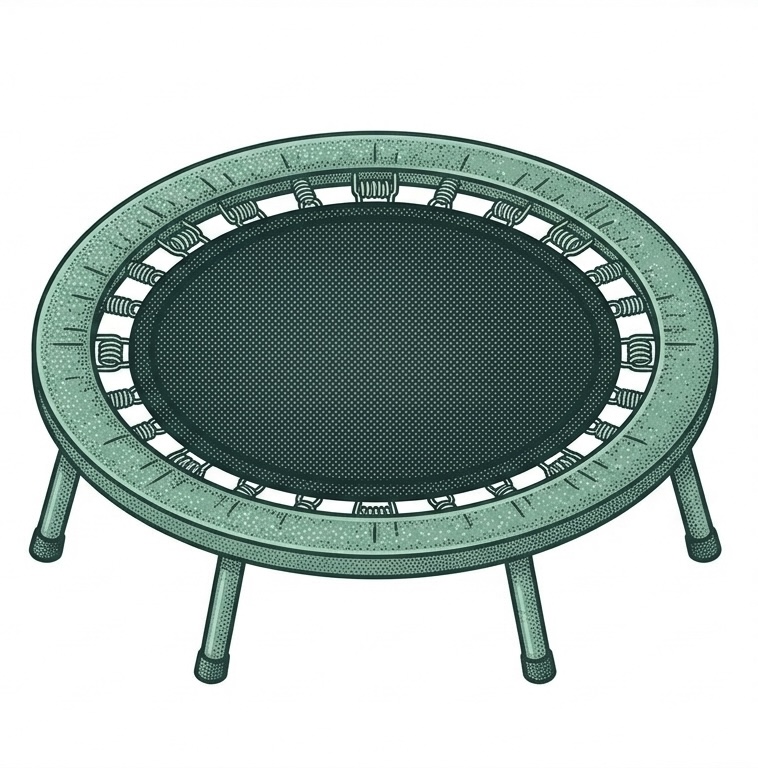
The most-cited regulation reset tool there is. Five minutes of bouncing changes a child's state in a way nothing else on this list does.
The bigger investment on this list, but the one I'd save up for if money were tight. A mini trampoline gives heavy-work and vestibular input in concentrated form, and it's the activity most often recommended for the start of the day, before school, or as a circuit-breaker during after-school meltdowns. It's also the one that benefits the whole family.
See my mini trampoline picks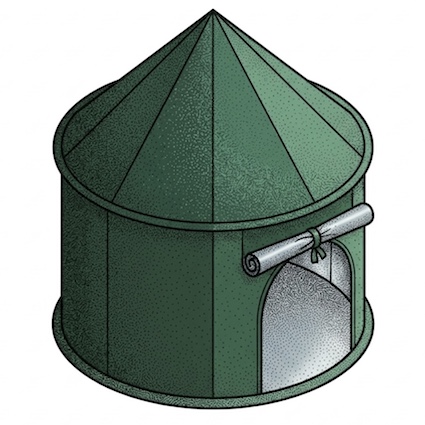
Every sensory child needs a calm space they can retreat to. A pop-up tent is the easiest way to create one in any house.
When a child is heading toward sensory overload, the most useful thing you can offer them is somewhere to go. A sensory tent in the corner of a bedroom or living room creates a defined, low-stimulation refuge: dim, enclosed, and theirs. Older children or those in shared rooms may prefer sensory room lighting and a designated soft corner instead, but for younger children a tent is hard to beat.
If the kit turns into something more permanent, my guide to building a sensory room at home picks up where this list stops, working through the zones, the budgets and the safety points to check before anything goes up on a wall.
See my sensory tent picksIf you bought the lower end of every item in one go, you'd spend around £150. The higher end takes you to roughly £285. Most families don't shop this way: you'll likely buy two or three items now, then add as you learn what helps. Here's the rough breakdown.
"If I were starting again tomorrow, I'd buy three things first: ear defenders, a wobble cushion, and a chew necklace. Total spend under £50. Those are the items that earn their place every single day in our house. Everything else came later, and most of it was bought after I'd watched Ella or Jude long enough to know what they actually needed."
The honest answer to "what should I buy first?" is "watch your child for a fortnight." If they cover their ears in supermarkets, ear defenders. If they cannot stay seated at meals, a wobble cushion. If they chew everything in reach, a chew necklace. If post-school meltdowns are wrecking your evenings, a mini trampoline or a sensory tent. The kit is a menu, not a checklist.
Once you've got two or three items in the house, the next step is starting to think about how they fit into the day. That's what a sensory diet is, and my guide to building a sensory diet walks through the principle in plain English. If you suspect after-school meltdowns are part of the picture, after-school restraint collapse is worth reading too.
This kit is a sensible starting point. It's not a replacement for an occupational therapy assessment. If you're seeing significant daily impact (refusal to eat, sleep difficulties, school refusal, frequent meltdowns) please pursue a referral to a paediatric OT through your GP or your school's SENCO. NHS waiting lists are long, but the referral itself can take time, and some families also explore private OT in the interim.
If your child has an autism, ADHD, or developmental diagnosis, or is on a waiting list for an autism or ADHD assessment, they may also be eligible for Disability Living Allowance, which is not means-tested and doesn't require a formal diagnosis. It's worth checking.


The things parents ask me most when they're starting out.
Sign up and I'll send you a free two-page PDF version of this guide — the eight tools, what each one does, and rough price ranges — so you can refer back to it or share it with school.