Sensory Tents & Calming Dens
The best sensory tents for children who need a quiet place to land
Blackout pop-up dens that give overstimulated children their own calm corner. At home, at school, or wherever the day takes them.
Written by Sarah M.
Contains affiliate links
Updated April 2026
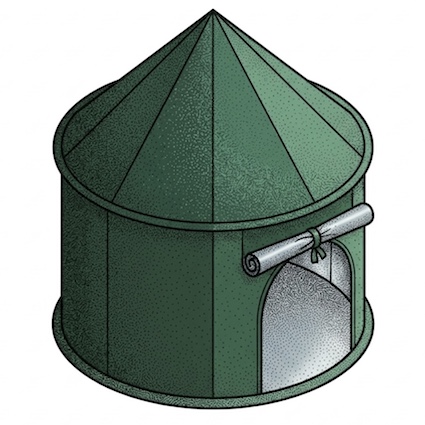
There's something about an enclosed space that a lot of neurodivergent children are drawn to, the corner of a sofa, under a table, behind a curtain. Sensory tents give them that same sense of containment and safety, but in a form built for it. Blackout fabric reduces visual stimulation, the small footprint feels manageable, and the pop-up design means you can have it up in seconds when things start escalating during after-school restraint collapse or sensory overwhelm. I'm a parent and not an OT, but we've been using one with Ella for about a year now, and I genuinely can't imagine being without it.
A tent is often the first thing families buy, and for plenty of children it's the only thing they need. If you want to build out from there, my guide to building a sensory room at home covers the other zones worth adding and roughly what each one costs.
Five dens worth the corner space
Five sensory tents worth knowing about, from the best-value everyday option to a premium lit pod for those who want to go further.
#1 Top Pick
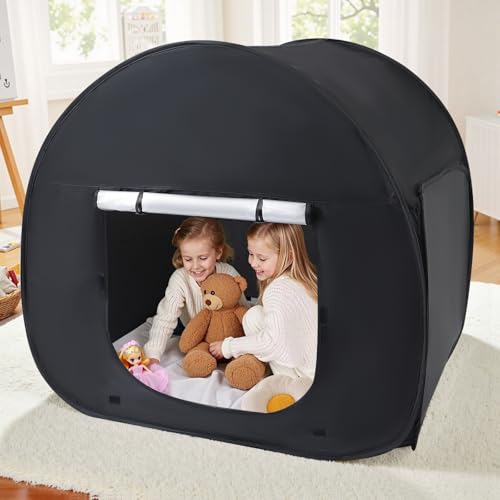
This is the one we use, and the one I'd recommend to most families starting out. The ODOXIA is a solid, roomy pop-up den: 120cm in all directions, which means there's space for Ella to sit, lie down, or play without it feeling cramped. The blackout polyester fabric does a good job of cutting out light, and it creates exactly the kind of dark, calm environment that works well for children who are easily overstimulated. It also holds up to UV lights and projectors nicely if you want to add something from my sensory room lighting guide. For school-age children who need a calm corner in their bedroom or living room, this is the one I'd start with.
Pros
- Generous 120cm size: room to move
- Good blackout performance
- UV and projector compatible
- Pops up in seconds, folds down easily
- Well-known brand with good returns policy
Cons
- Price range is wide: check current listing
- Takes up a fair footprint when up
- Larger packed size than the Bluecaps
Check Price on Amazon →
#2
The Bluecaps is the most compact option when packed down. It folds into a carry bag measuring just 48cm across and 6cm deep, with handles, which makes it easy to move between rooms or take to grandparents' houses. The two-sided nylon construction, with a black outer and silver inner, claims to block over 90% of external light, which is one of the higher figures you'll see on Amazon. At a similar size to the ODOXIA, it's a good alternative if portability matters to you, or if your child uses their den in more than one location. Reviews specifically mention it working well in school sensory rooms.
Pros
- Folds into a carry bag: fully portable
- Strong blackout performance (90%+)
- UV compatible for light play
- Good reviews from school use
Cons
- Slightly pricier than the ODOXIA
- Requires pegs or guy ropes to stay stable
- Fewer reviews than some competitors
Check Price on Amazon →
#3
If you want to try a sensory tent without spending much, the Takezuaa is probably the best value option currently on Amazon UK. At around £18–£25 it's significantly cheaper than the others, and its 4.4 rating suggests the quality holds up reasonably well. It's slightly smaller than the ODOXIA and Bluecaps at 110 × 110 × 105cm, which suits some children. A cosier fit can feel more secure. The silver-glue fabric provides decent light blocking, and it comes with a carry bag for storage. A good starting point if you're not sure whether your child will take to the tent concept before committing to a higher spend.
Pros
- Best price on the list
- Solid 4.4 rating for the price
- Lightweight and includes carry bag
- Cosy size suits some children better
Cons
- Smaller than the other options
- Light blocking likely less effective than premium models
- Less durability data at this price point
Check Price on Amazon →
#4
The BUTORY sits in the middle of the price range and has the highest rating of the four main blackout options here (4.5 stars). It's made from Oxford fabric rather than polyester or nylon, which tends to feel more robust, and the dimensions (100 × 120 × 100cm) mean it's slightly wider than it is deep, which gives a bit more shoulder room inside. The wide zippered door makes entry and exit easy, which matters for children who need to be able to get out quickly if they feel claustrophobic. No poles or pegs required. It pops up and stands on its own.
Pros
- Highest rating of the blackout options
- Oxford fabric feels more durable
- Wide door, easy in and out
- No poles or pegs needed
Cons
- Slightly narrower depth than the ODOXIA
- Less established brand
- Fewer reviews than top picks
Check Price on Amazon →
#5
A note on this one: The PODS pod is in a completely different category to the other four. Both in price and concept. We haven't personally tried it, but I've included it because there's really nothing else quite like it on Amazon UK, and I think it's worth knowing about. The rating is based on a very small number of reviews, so treat that with appropriate caution. Even so, what it offers is interesting if you're looking for something more immersive than a standard blackout tent.
The PODS Galactic Space pod is less "calm corner tent" and more "portable sensory room." At £170 it's a significant step up in price, but it includes things the others simply don't: remote-controlled built-in LED lighting you can adjust for brightness and mode, a Bluetooth speaker that connects to a companion app (the PODSplay app) streaming narrated adventures and calming sounds, and a thick memory foam base rather than a bare floor. The polyester pod itself is 130 × 120 × 135cm, generous, and comes with a power supply for the lighting system. For children who respond well to immersive sensory environments, this is a step towards a proper sensory room without the cost or permanence of building one. Additional theme panels (Jungle, Ocean, Safari) are sold separately.
Pros
- Built-in adjustable lighting, no extra equipment needed
- Bluetooth speaker with app-controlled audio
- Memory foam base for comfort
- Interchangeable themes available
- Pops up and folds flat
Cons
- Significantly more expensive than all other options
- 5.0 rating based on very few reviews
- Requires mains power for lighting
- Additional themes cost extra
Check Price on Amazon →
What to think about before you buy
Sensory tents are generally a low-risk purchase, but a few things are worth considering to make sure you get one that works for your child.
🌑
How dark does it need to be?
If your child is specifically seeking low visual stimulation, look for double-layered or silver-lined fabrics and claims of 90%+ light blocking. No pop-up tent achieves complete blackout, but better construction makes a real difference. In a normally lit room, most tents create enough darkness to feel calm.
📐
Size vs cosiness
Bigger isn't always better. Some children feel safer in a snugger space. 110cm can feel more contained and cave-like than 120cm. If your child likes to press themselves into corners or curl up small, a slightly smaller tent may suit them better. Consider whether siblings will use it too, that changes the equation.
🔌
Adding light equipment
One of the best things about blackout tents is how dramatically they enhance projectors, lava lamps, and fairy lights. If you plan to use any sensory room lighting inside the tent, check that the tent is UV-compatible and that cable management will work safely. Battery-powered lights are simpler than mains-powered options for inside a tent.
🚪
Entry and exit
This matters more than it sounds. Some children panic if they feel unable to get out quickly. Look for wide, easy-to-unzip doors, and ideally let your child practice getting in and out before the tent is first used as a calm-down tool. A child who trusts they can leave at any moment is much more likely to use the tent.
🎒
Portability
Most pop-up tents claim to be portable, but the packed size varies a lot. If you want to use it at grandparents' houses, school, or on holiday, check the packed dimensions. The Bluecaps folds down the smallest at 48cm across, a meaningful advantage if the tent needs to travel regularly.
🧺
Where will it live?
Think about the 120cm footprint before you buy. A sensory tent takes up a meaningful chunk of floor space. Have a spot in mind before it arrives. Bedrooms and playrooms work well. Some families put it up only when needed and pack it away between uses; others leave it up permanently as a feature of the child's space, often paired with a weighted blanket or cushions inside for a complete calm-down setup.
Frequently asked questions
What I get asked most about sensory tents.
What is a sensory tent and how does it help?
A sensory tent is a small, enclosed pop-up space, usually with blackout fabric, that gives children a quiet, low-stimulation retreat. For children with autism, ADHD or other
sensory processing differences, having a predictable, enclosed space can reduce
sensory overload and help with emotional regulation. The enclosed environment reduces visual and sometimes auditory input, which many children find deeply calming. They're often used as a calm-down corner at home or in school.
Do sensory tents actually block out light?
Most sensory tents marketed as blackout or dark dens block the majority of ambient light, though very few achieve total darkness, especially in a brightly lit room. Look for descriptions like "double-layered fabric" or "silver interior lining" for better light blocking. In a normally lit room, most block enough light to create a noticeably darker, calmer environment. If your child needs near-total darkness, pair the tent with room blackout curtains.
Are sensory tents safe for children to use alone?
Most pop-up sensory tents are open-ended or have large zippered doors, so children can get in and out independently. They're not sealed spaces. But always supervise younger children initially. Check that your child is comfortable getting themselves out, and that the ventilation is adequate. For very young children or those who might become distressed if they feel stuck, introduce the tent gradually with you nearby.
What size sensory tent do I need?
Most pop-up sensory tents on Amazon UK are around 110–120cm across and roughly 100–120cm tall, large enough for one child to sit, lie, or play comfortably, and some fit two children or a child and an adult. For home use, a standard 110–120cm tent is usually plenty. If you want to use it with siblings or to sit in together during difficult moments, look for one at the larger end of that range.
Can I put sensory room equipment inside a sensory tent?
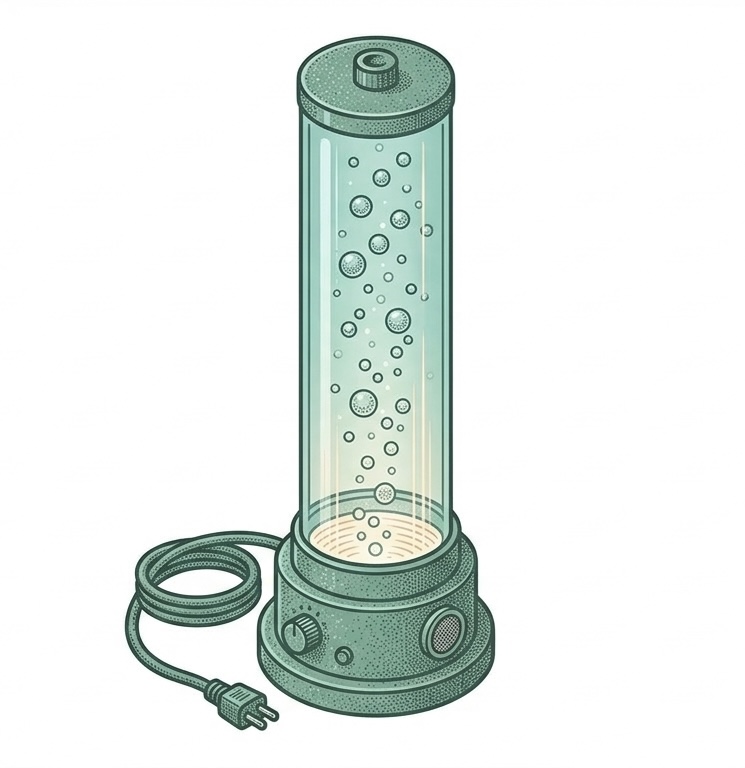
Yes. This is one of the best things about a sensory tent. A small projector, fairy lights, a lava lamp, or a bubble lamp can transform the inside into a mini sensory room. Because the blackout fabric blocks external light, the effect of projectors and
portable light toys is much more dramatic inside a tent than in a normal room. Just make sure any electrical items are safe, cables are managed carefully, and the child is supervised when using light equipment inside.