Sensory Sorted Review
Best Fidget Toys for ADHD & Sensory Kids
Five picks including the Tangle Therapy, infinity cube, and sensory rings — all classroom-safe choices.
Four tools, one goal: giving a fidgety child's body the input it needs so their brain can focus. Here's how to choose the right one for school.
I'm a parent, not an occupational therapist. Jude has ADHD and has used all four of these tools at various points — in school and at home. This guide draws on that experience and on published OT guidance for sensory and ADHD needs. If your child has complex sensory needs, a paediatric OT can tailor recommendations more precisely.
Jude's Year 3 teacher made an observation that stuck with me: "When he's got something to do with his hands, he's actually listening. When he hasn't, he's physically gone somewhere else in his head." That's the whole argument for sensory focus tools in one sentence.
The theory behind it is solid. Children with ADHD and sensory differences often have an under-responsive nervous system that requires a continuous stream of input to stay alert. Without it, they seek that input elsewhere — through rocking, fidgeting, getting up, talking, humming. Giving the body a sanctioned, contained outlet for that need frees up the attentional system to engage with the task in front of them.
The four tools on this page all work on that principle. They differ in where the input goes, how much space they need, and which children they suit best. What Jude responds to is not necessarily what Ella needs — and what helps at school isn't always the right call for homework. Here's how to think about which to try first.
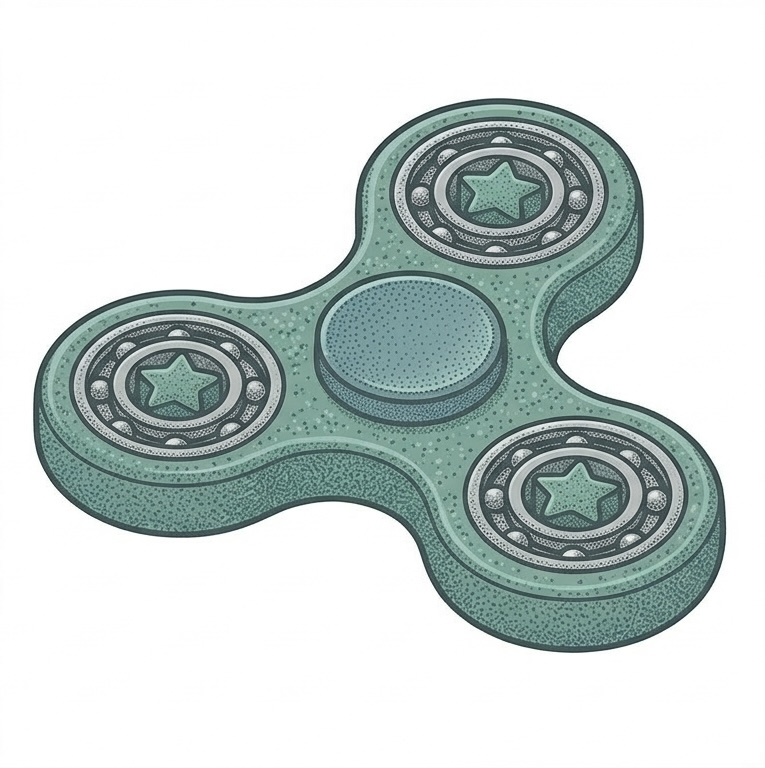
Tactile or movement-based input delivered through the hands. Best for listening tasks when the hands are free. The most visible of the four tools — school acceptance matters.
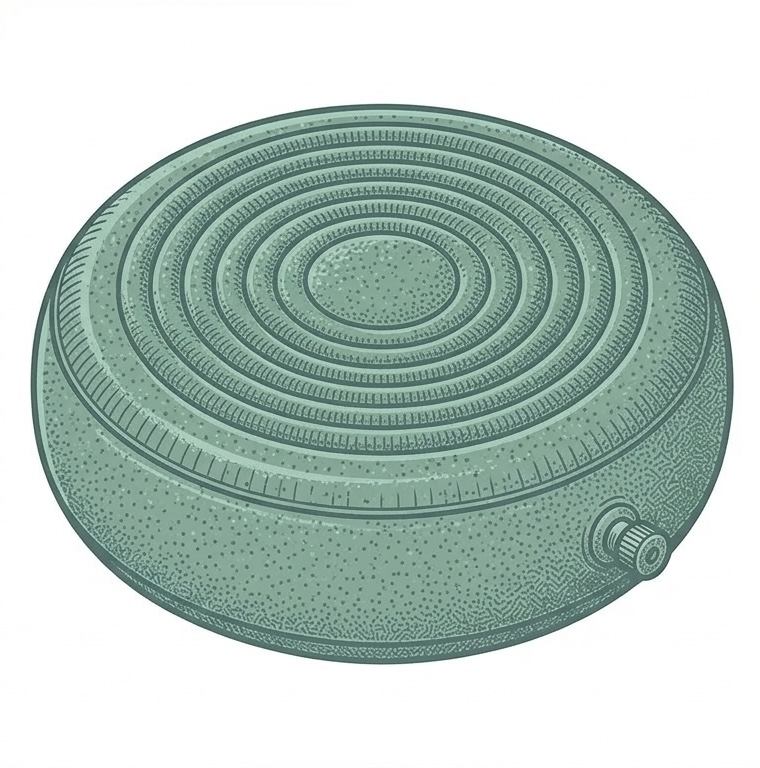
Gentle vestibular and proprioceptive input through the base. Works passively while the child sits — no conscious engagement needed. The most discreet option for the classroom.
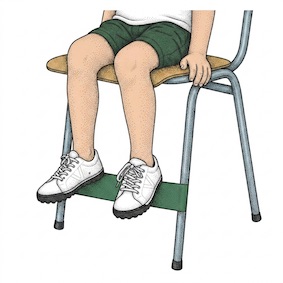
A resistance band around the front legs of the chair. Provides lower-body proprioceptive input through the feet and legs. Nearly invisible, zero noise, zero desk space — but only works when the child is at a chair.
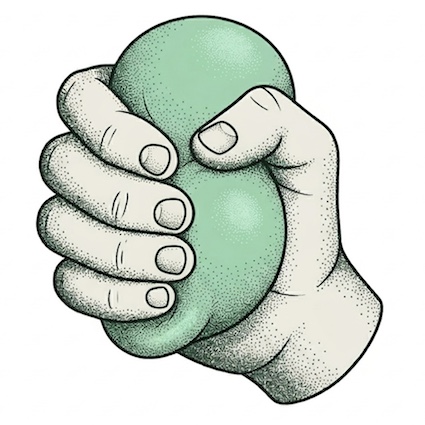
Resistance-based input through squeezing, stretching, and rolling. Builds fine motor strength as a bonus. Best for listening and calm tasks — not compatible with simultaneous writing.
| 🤲 Fidget toy | 🪑 Wobble cushion | 🔗 Chair band | 🟡 Therapy putty | |
|---|---|---|---|---|
| Input type | Tactile / proprioceptive (hands) | Vestibular / proprioceptive (base) | Proprioceptive (legs and feet) | Proprioceptive + fine motor (hands) |
| Body part engaged | Hands | Core and hips | Legs and feet | Hands |
| Works during writing? | Only if held in free hand | Yes — passive | Yes — passive | No — hands occupied |
| Works during listening? | Yes — ideal | Yes | Yes | Yes — ideal |
| Noise level | Varies — silent options exist | Silent | Silent | Silent |
| Desk space needed | Small — pocket-sized | Chair only | None — on chair legs | Small — palm-sized |
| Visible to class? | Yes — held in hand | No — under desk | No — on chair legs | Yes, if used above desk |
| School acceptance | Variable — needs SENCO buy-in | Generally accepted | Generally accepted | Generally accepted |
| Secondary benefit | Oral alternatives available (chew toys) | Core strength, posture | Leg energy outlet during carpet time | Fine motor development |
| Typical UK price | £5–£25 | £12–£30 | £5–£12 | £8–£18 |
A fidget toy is the most flexible tool here because it goes in a pocket, moves from classroom to car to bedroom, and provides exactly the kind of discreet tactile input that keeps restless hands occupied during circle time, assemblies, and read-alouds. The key is choosing one that is genuinely silent and doesn't require visual attention. Spinners failed the classroom test for a reason — they're visually engaging, and that competes with whatever the child is meant to be watching. A Tangle fidget, an infinity cube, or a spiky sensory ring are all hands-occupied without being eye-catching.
The school acceptance variable is the main practical issue. Some teachers are still uncertain about fidget toys and see them as a distraction risk rather than a focus tool. Going through the SENCO rather than the class teacher, and framing it as an OT-recommended sensory tool rather than a toy, makes a significant difference. A note from your child's GP or OT, if you have access to one, changes the conversation entirely.
What to look for in a classroom fidget toy: silent operation (no clicks or squeaks), no visual movement that draws other children's attention, small enough for a pocket or pencil case, durable enough for energetic daily use. Test at home before sending to school.
A wobble cushion does something particularly clever: it gives the body exactly the vestibular and proprioceptive input that makes a child rock or bounce in their chair, but in a contained, seated form. The child is still moving — their core is working constantly to maintain balance — but they're not leaving their seat, they're not tipping back, and they're not disturbing the children around them. Jude's teacher noticed the difference within two weeks.
The wobble cushion's big advantage over all the other tools here is that it works completely passively. The child doesn't have to remember to use it, doesn't have to hold it, and doesn't have to choose between using it and doing their work. It sits on the chair and does its job regardless. That makes it particularly effective for younger children or those who struggle with the self-management aspect of using a tool deliberately.
Most wobble cushions have two surfaces — smooth and spiky — and can be inflated to different firmnesses. Start firm for stability and reduce air pressure gradually if the child wants more movement.
A chair band is a simple resistance band stretched between the front two legs of a chair, sitting at foot height. The child's feet can push, pull, kick, and bounce against it throughout the lesson. The input goes through the soles of the feet and up into the legs and core — the same kind of proprioceptive signal that makes children jiggle and tap — but it doesn't affect what their hands are doing or what anyone else can see.
Chair bands are arguably the most discreet and least confrontational tool on this list. There's nothing on the desk, nothing in the hand, nothing for other children to notice or ask about. They're also the cheapest, which means replacing one when the band breaks isn't a painful expense. The limitation is that they only work at a chair — they're not useful during carpet time or whole-class activities where the child is on the floor. A fidget toy fills that gap.
Most chair bands fit standard UK primary school chairs. Check the manufacturer's sizing guidance and replace when bands start to slacken, as the resistance is where the input comes from.
Therapy putty is the most therapeutically rich tool here. Squeezing, stretching, rolling, and pulling against resistance gives the hands and wrists intense proprioceptive input — the kind that OTs use specifically for nervous system regulation. Unlike fidget toys, therapy putty also builds genuine fine motor strength over time, which matters for children who also struggle with handwriting or grip strength.
The practical limits are clear though: you can't write and use putty simultaneously, and it can leave slight residue on hands that may transfer to paper or clothing. It's best used during structured listening sessions — storytime, class discussions, read-alouds — where the hands are free and the child is expected to listen rather than write. Many OTs build putty use into a planned sensory circuit before focus-intensive tasks rather than during them.
Therapy putty comes in different resistances, typically colour-coded from soft (easiest) to extra-firm (strongest). Starting with a softer resistance and progressing as hand strength develops is the standard approach.
The most effective approach is usually two tools rather than one: a passive tool that works during writing (wobble cushion or chair band) and an active tool for listening tasks (fidget toy or therapy putty). Jude uses a wobble cushion on his chair and keeps a Tangle fidget in his pencil case for assemblies and read-alouds. The two tools cover different parts of the school day without competing with each other.
These tools sit naturally alongside the sensory diet principle: giving the body regular, predictable input throughout the day so it doesn't have to find input through disruptive behaviour. They work alongside deeper pressure tools like a weighted lap pad, which some children use at the same time as a chair band for layered proprioceptive support.
If you're working with a school to formalise these adjustments, a sensory profile and communication passport gives any teacher a clear, one-page picture of what your child needs and why. It's particularly useful at the start of a new year when a new teacher doesn't have the context built up over months.
The things I hear most often when families are navigating this.